


9/10
Part 1 Review: From Dongri To Dubai To Dhurandhar
Here is a movie that will make you feel like a propagandized fool for three hours and forty-nine minutes, and then send you down a research rabbit hole that makes you feel like a fool for doubting it. Aditya Dhar’s conclusion to the Dhurandhar duology is louder, messier, and more indulgent than the first. It’s also more emotionally devastating, and the gap between what feels dramatized and what actually happened is so narrow it’ll unsettle you for days. The unknown men are real. The killings are real. And the movie you thought was masala is closer to a documentary than you’d ever be comfortable admitting.
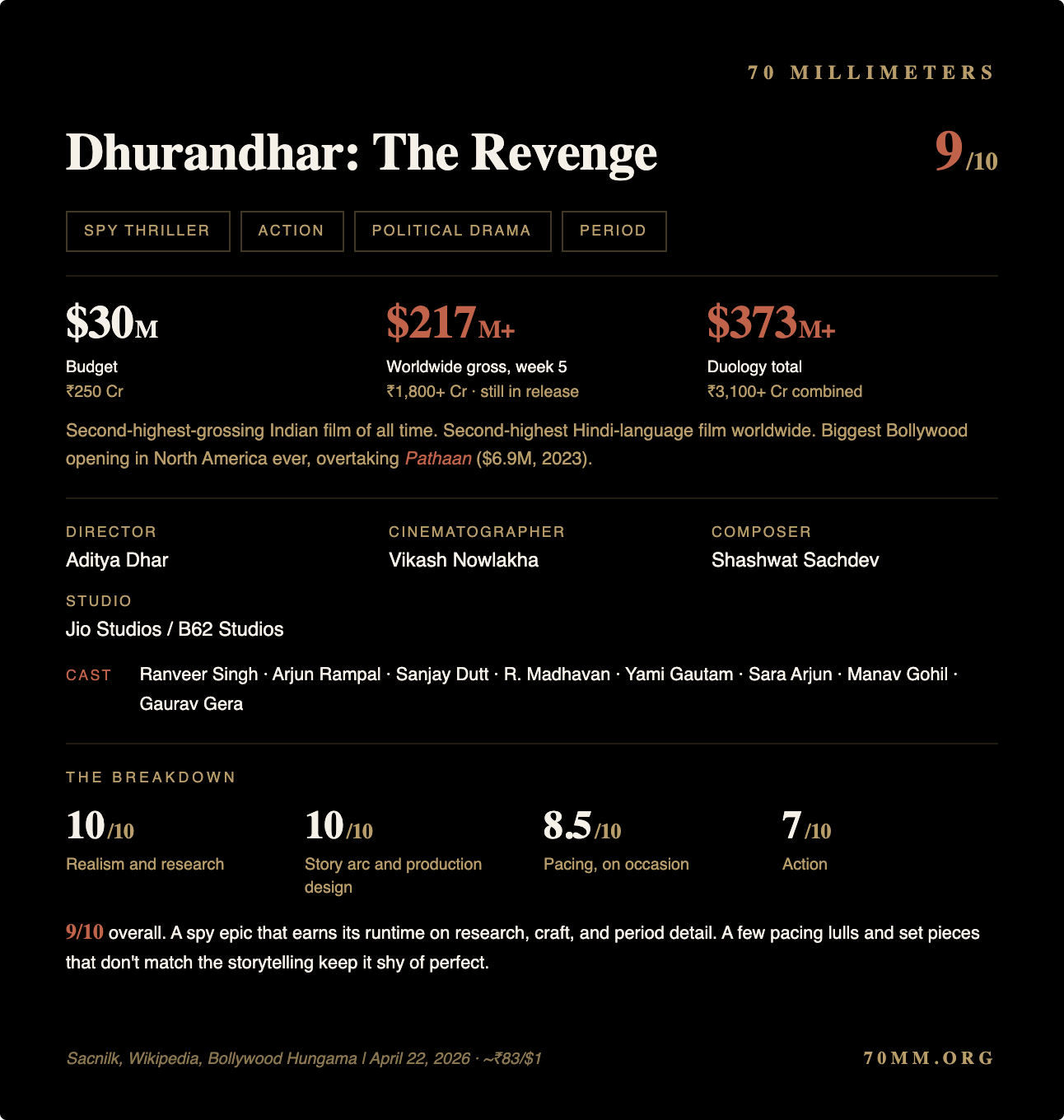
I walked into Dhurandhar: The Revenge expecting a drop-off. No Akshaye Khanna as Rahman Dakait, which meant losing the most magnetic screen presence from Part 1. Nearly four hours of runtime for what I assumed would be a more bloated, more formulaic finish. I was ready to be disappointed. And for stretches, the film almost gave me reasons to be. But at some point it finds its flow. Then I went home and started reading about the events it depicted, and my entire experience with the movie inverted. The things I’d written off as over-the-top were the things that actually happened. That’s the trick of this film. The more absurd a scene feels, the more likely it is to be grounded in something verifiable.
Dhurandhar: The Revenge is a different animal than its predecessor. The first film was a chess match. This one is a war. It’s messier, louder, more boisterous in its vibes, more willing to lean into violence and let sequences breathe as kinetic music videos. Think Tarantino’s hyperviolence combined with Zack Snyder’s visual maximalism, set to the rhythm of Scorsese’s gangster montages. As someone who grew up on that style of filmmaking, I was into it. There’s something about a movie that lets you zone out and sink into the rhythm while playing like a music video. That takes real vision. The camera is shaky during the violence, but the stills have this slow, deliberate drift to them, like the lens is breathing with the characters. Aerial shots are used sparingly, same as the first movie, but when they appear they stretch the world open.
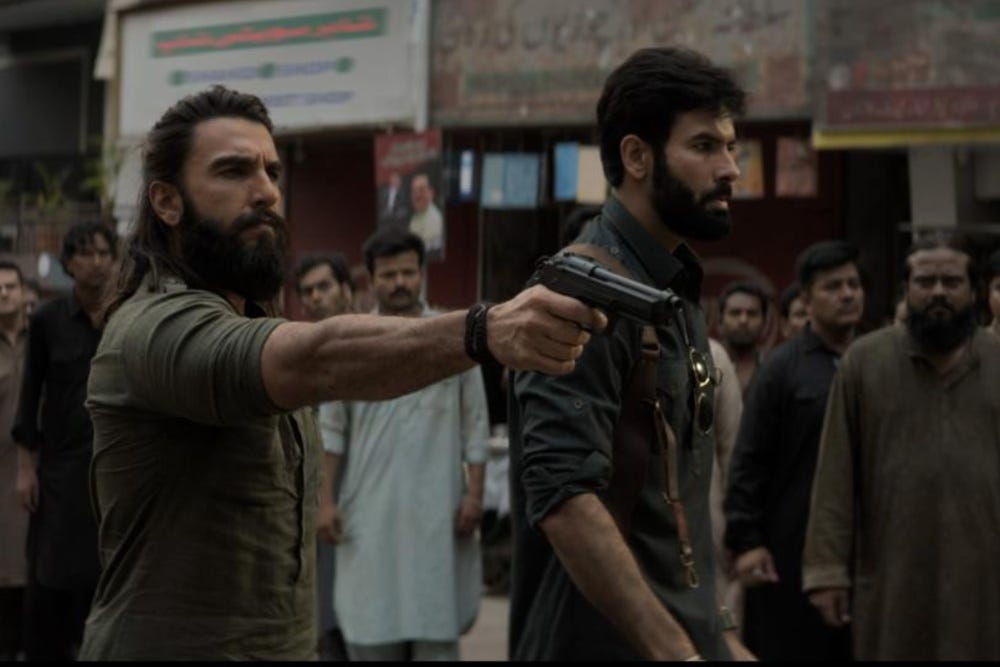
The cinematography from Vikash Nowlakha is genuinely elite across both parts. Some shots here are flat-out genius in their composition. The way the extras are positioned, the way lighting is designed to let the camera move through a space without cutting. There’s a mix of stills and moving shots that creates this incredible kinetic energy. You feel present. The “show don’t tell” craft is doing real work. A lot of information moves through facial expressions, body language, spatial arrangement. As Denis Villeneuve says, that’s what separates movies from television shows, and Dhar clearly understands the difference.
Spy films almost never touch events this recent. Historical distance allows the genre to breathe more comfortably. Argo is set thirty years before its release. Bridge of Spies dramatized a 1960s prisoner exchange half a century later. Munich waited thirty years to revisit the 1972 Olympics. Even Apple TV's Tehran, one of the more daring contemporary entries, is careful to fictionalize its Mossad operations enough that no specific mission is identifiable. Remarkably, Dhurandhar seems to be depicting assassinations that were still being reported by The Guardian and The Washington Post in 2024, killings that continued into 2025. Dhar is dramatizing operations that are, by every indication, still active, (though obviously not in the same areas depicted).
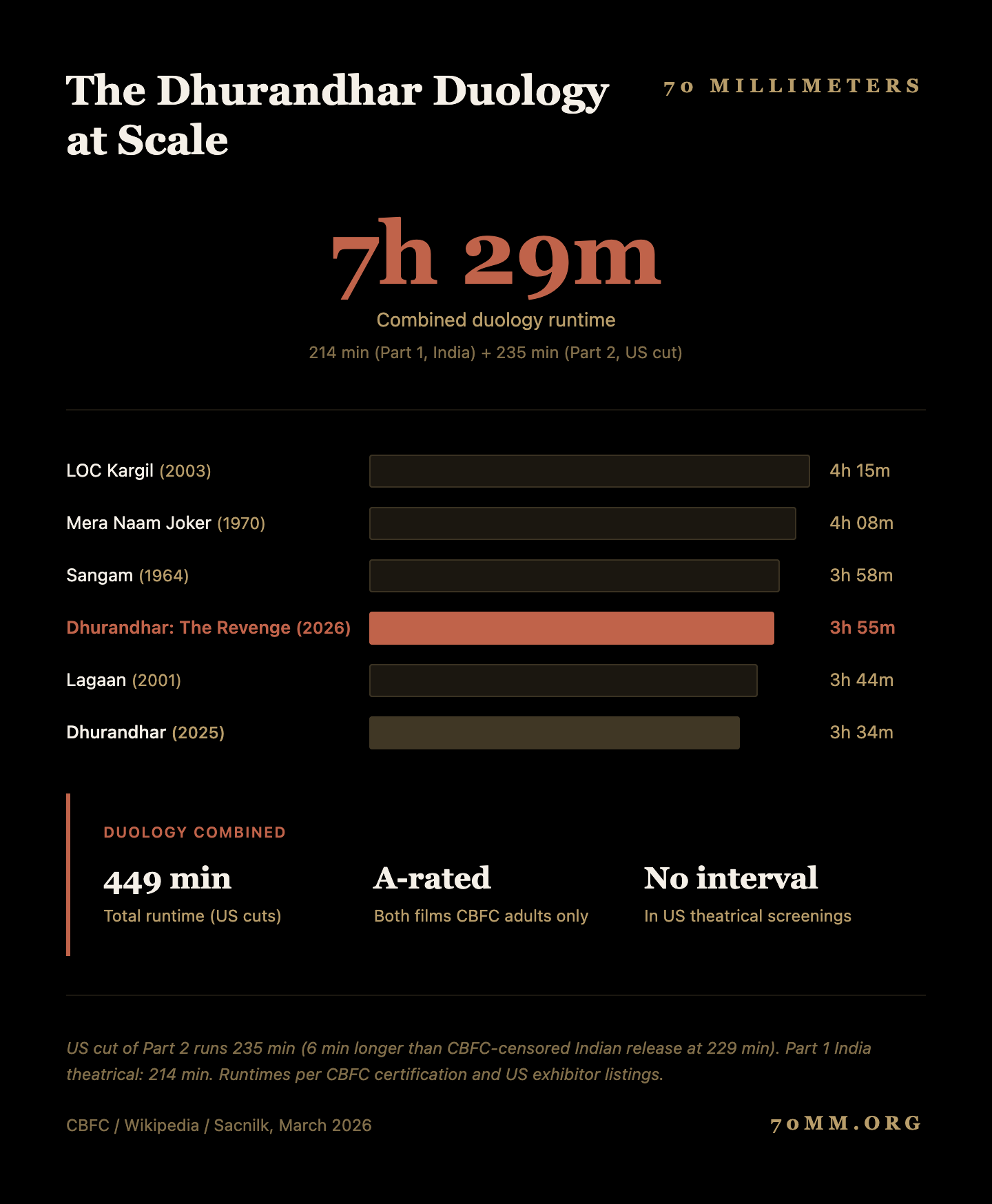
At 235 minutes (the US version is six minutes longer than the censored Indian release), this is one of the longest Indian films ever made. Perhaps it could have been tightened by fifteen, maybe twenty minutes compared to the first one. There’s one song placement early on that’s genuinely jarring, a momentum killer dropped into a section where the story hadn’t earned a pause. But otherwise, the music-video approach actually helps, because the rhythm of it keeps you engaged even when the plot mechanics might drag. You can zone out and vibe out while still following the action. It’s masala, sure. But it’s masala with intent. Like with any long movie, work out hard before you sit down for this. You’ll need the physical stillness. There is no halftime break in the theaters, at least in the United States.
The film’s opening is a nice change-up: a Sikh man killed by the Sikh gangsters connected to politicians to seize his land, establishing from the first minutes that the violence at the center of this story doesn’t start with radical Islam or Pakistan. It starts with ordinary people caught in systems designed to consume them.
“You will learn to stay silent. Because silence improves your odds of survival.”
Ranveer Singh carries this movie on his back, and while the first half occasionally makes his path too easy, with figures like Arshad Pappu falling a little too quickly, the second half tightens the screws considerably. This must be the best performance of his career. The deliberate, delayed reactions and his eyes are where he’s best. Only great actors can convey so much information through their eyes when their facial expressions are relatively covered up by the beard. His performance in the final stretch, choosing not to return to the life his family built for him, is devastating in a quiet way. He owns this role, and Jaskirat Singh will forever go down as a legend.
Pacing wise, the movie isn’t as perfect as its predecessor. But the death of Alam was when the movie really picked up. Gaurav Gera, playing the juice shop owner who is really Ranveer’s partner from RAW, is highly memorable. When Alam dies, the way Dhar sequences it is extraordinary: Ranveer’s Hamza walking out of a tense encounter, drinking in the rain, leaving us confused, and only then does the film pull back to show us what happened right before. Ranveer’s delayed reaction to the gunshot, because he already knew what had occurred, was incredible filmmaking. The non-linear choice turns a sad death into a devastating one. Show that scene linearly and it hits maybe half as hard. That’s craft. You know Alam had no choice, that the sacrifice was necessary or Ranveer’s cover would have been blown. But knowing it doesn’t soften it. The weight of a spy’s life, the loneliness of that career, the emotional cost of operating under a false identity for years. Gera is genuinely excellent here. And so is Ranveer. And everyone else in the room when they’re trying to find his accomplices. The death lands. Ranveer has several moments in the movie where he briefly becomes too emotional to keep up his alias as Hamza, and you can see Jaskirat underneath. Incredible work.
Today, a Bareilly's pickpocket giving his life for his country. Don't take that right away from me, my brother. — Mohammad Alam
Madhavan is even better as Ajay Sanyal in this one. He has that quiet, terrifying competence, and powerful aura. His line on men is brilliant and spiritually relevant:
“We are men, Jaskirat. From the moment we’re born till the day we die, we are meant to fight for our cause, for our dreams, for our rights, for our family. And we get no appreciation or medals for it. This is our duty.” — Ajay Sanyal
No matter how you feel about serving your country, nor your religious affiliation, the Bhagavad Gita and its thoughts on dharma and action are some of the most powerful forms of esoteric wisdom on the planet. The movie makes great use of that spiritual warrior energy. The moment where Ajay Sanyal, who’d been threatened by the Zahoor Mistry character to come across the border in the first film, actually gets to him through Hamza’s operations, is the payoff of two films’ worth of setup. Madhavan’s face when he FaceTimes Hamza to say goodbye is an unrealistic cinematic touch, but the arc from being threatened to delivering on the threat is real. The man he portrays, Ajit Doval, India’s National Security Advisor, is a huge winner from the Dhurandhar franchise. He was already compelling in the first. He gets vindicated in this one.
Arjun Rampal puts in the best performance of his career. His Major Iqbal, inspired by Ilyas Kashmiri, is feral, ideologically possessed, and physically terrifying. I liked him in Don. He’s another level in this. The fight between him and Ranveer is the film’s showpiece, and what makes it land is the screaming. Rampal screaming KAFIR, Ranveer screaming back JIHADI. Their vulgar, violent threats. The collision of those two words, those two worldviews, with literal battle cries while these men try to kill each other. It’s primal in a way that most action sequences never reach. You will not find many more deep-rooted ethno-cultural rivalries than this one in the history of the world. I loved watching it, it was pure conflict. Rampal turns what could’ve been a standard villain role into something genuinely unnerving. That genuine insanity in his voice, the way his body language shifts between strategic operator and ideological zealot. He had that real madness to him.
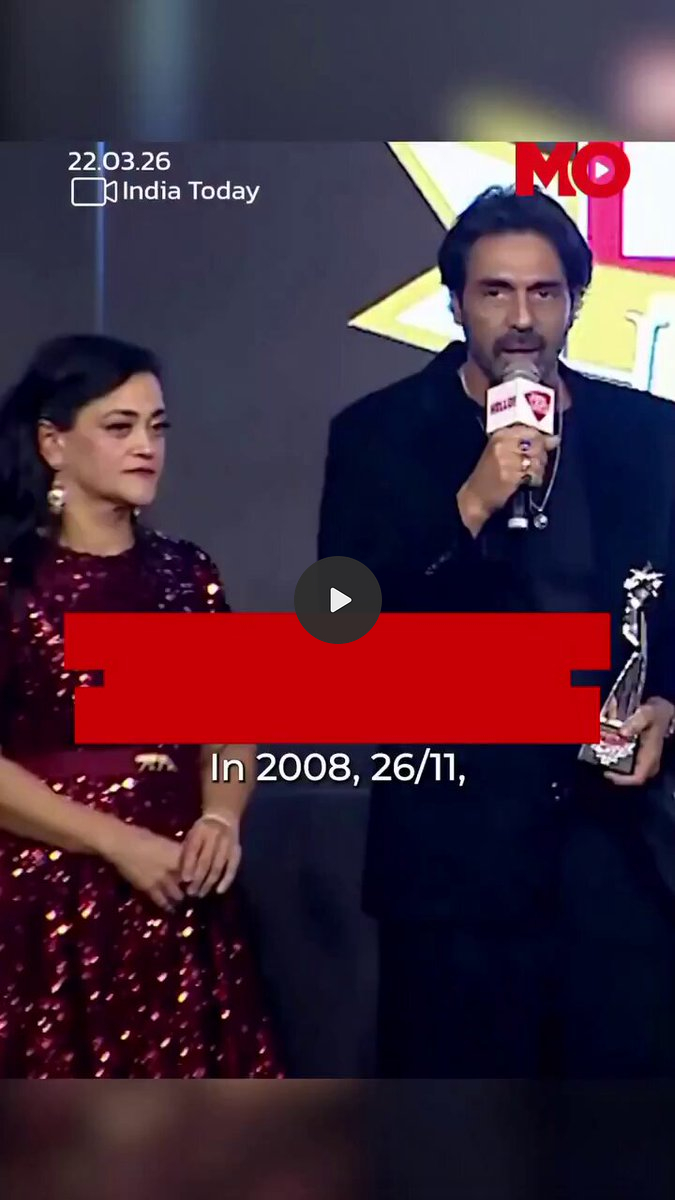
Rampal’s birthday was on 26/11. This was the opportunity of a lifetime for him, to tell the other side of the story. This was a way for even the actors to process the trauma they’ve grown up with:

The Yalina arc hits too. Love as the thing that cracks open a person’s loyalties, that lets them see their own country’s machinery for what it is. I do genuinely believe there are Pakistanis, native and diaspora alike, who hold their own government in contempt, who are tired of past wars with India being weaponized to justify stripping their country’s resources and training militants for attacks like Pahalgam. Some will call this propaganda. I think the loudest voices making that charge are often the most invested in sustaining the status quo. Rational people want to see corrupt systems overthrown. Love is frequently what lets us see beyond our own tribal loyalties, and the film understands that.
“Our war isn't against your country. It's against terrorist inside it. You think they're your people? What have they been doing in Pakistan all these years? 520 people from Hazara community killed in the past 5 years, 630 injured in Quetta. Do you know what they do to the Baloch? 300 boys are picked in name of interrogation and killed. Recently they poisoned their water. 63 children died. These people as dangerous as they are to India, they are even more dangerous to Pakistan.” — Hamza Ali Mazari
Shashwat Sachdev’s score is a step down from the first film, though still effective. The background score in Part 1 was a character unto itself. Here, the score functions more as atmosphere. It does good work sustaining momentum, keeping you sunk into the film’s rhythm when the music-video passages stretch out, and it hits hard during the heaviest emotional moments. But it doesn’t surprise you. I missed the way Part 1’s score could consistently overwhelm you. There’s a sequence where Ranveer’s character visits the Baloch and dances that is just so far removed from the quality of the first one. However, where the first installment demanded a score that built worlds, this one needs music that sustains momentum across nearly four hours of montage-driven filmmaking and lands gut punches in the quieter moments.
Token’s “Destiny” during the credits sequence is an unexpected choice that works exceptionally well. The English lyric use was present again and helped modernize the score. Like Indian-American singer Jasmine Sandlas here:
The credits sequence is brilliant. “Destiny” plays over shots of Indian intelligence operatives training:
The montage sequences are often quite groovy though, with songs like this building momentum:
I loved the use of “Rasputin” by Boney M, an all time classic.
Unexpected Realism
The reason this film has been rattling around in my brain since I left the theater is the realism. I need to be straight with you. When I first watched certain scenes, Sanjay Dutt’s Chaudhry Aslam dying, some of the assassinations unfolding a little too cleanly, I thought the film was stretching. I figured Dhar was dramatizing for effect. I was wrong. The more I read about the actual events afterward, the more this movie grew. What I thought was cinematic exaggeration turns out to be more than true. Indian intelligence had both infiltrated the Lyari gang wars, and eventually killed several terrorists in Pakistan.
Chaudhry Aslam. The real man was called “Pakistan’s toughest cop,” a Sindh Police superintendent who survived nine assassination attempts, including a 2011 truck bomb that destroyed his house and killed eight people. He stood in the rubble and told reporters he’d bury the militants in the same ground. On January 9, 2014, the Tehrik-i-Taliban finally got him. A suicide car bomb on the Lyari Expressway, the blast so powerful it threw his armored vehicle twenty meters from the point of impact. The Taliban specifically trained a bomber for the job, a man named Naeemullah, and celebrated the kill as a “huge victory.” The movie shows his death by suicide bombing. That’s exactly how it happened.

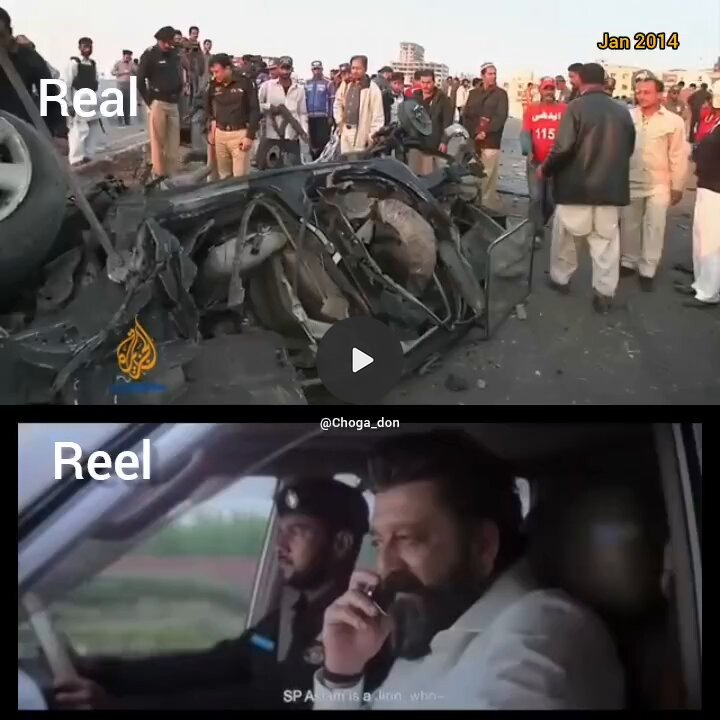
Here’s the thing that Sanjay Dutt’s casting makes even wilder: Dutt was himself famously connected to the gangster behind subversive Bollywood storytelling: Dawood Ibrahim. The casting is almost perverse in its self-awareness. The irony runs deeper: the real SP Aslam was a fan of Sanjay Dutt as an actor. And now he’s acting in this. Further confirmation that Bollywood’s days of putting out awful movies financed by Dawood Ibrahim’s drug and terrorist money networks are long gone. The real life resemblance is uncanny. The makeup, hairstyle and costume work in this movie was absolutely incredible. Everyone looks like the person they were based on in real life. And once again, Sanjay Dutt gives Chaudhry Aslam a brute physicality and a weary decency. You understand why the Taliban wanted him dead ten different times.

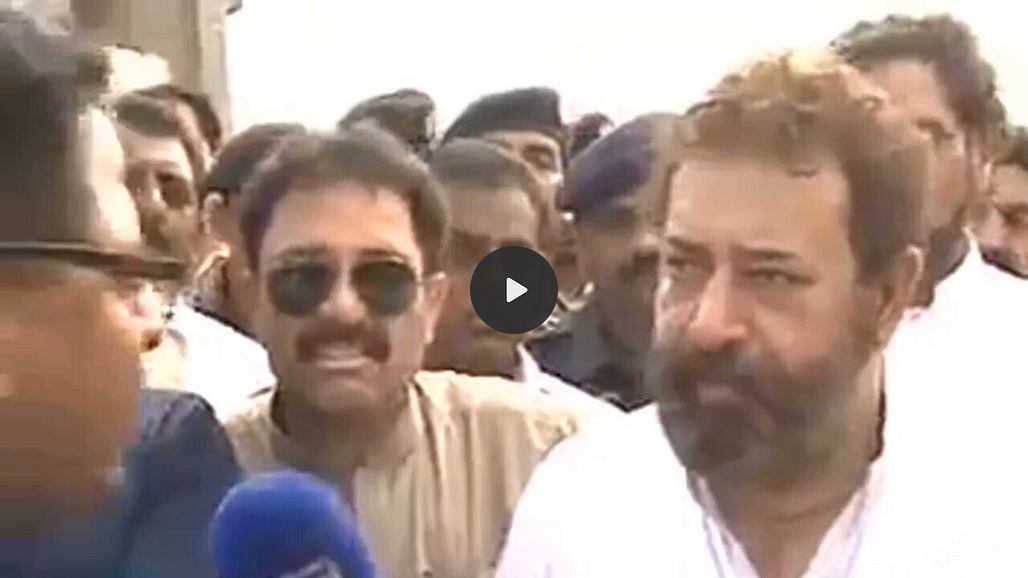

There’s a thread at the beginning of the film that I confirmed after watching. Rahman Dakait killed Dawood Ibrahim’s brother after Dawood seized one of Rahman’s close associates’ properties without paying market value. Rahman kidnapped the brother, demanded ransom, got the money, and killed the brother anyway. This actually happened. Dawood, who’s portrayed as having the highest connections in Pakistan and even foreign backing, couldn’t do anything to him. The audacity of it, the chain of escalation it set off, is staggering. It puts the aura and power of Rahman Dakait from the first movie into context. There was also a subtle reference to this in the first movie when SP Aslam talks to Jameel Jamali and says he has help from “Bade Sahab” (Dawood) to deal with Rahman Dakait. Pretty crazy that India infiltrated Lyari amidst all this happening.
The Dawood Ibrahim appearance partly makes up for Khanna’s absence from this movie. Dhar films him at a White House-adjacent compound, surrounded by seemingly American women and attendants, perhaps a deliberate visual suggestion of CIA-adjacent funding. It’s well documented that Dawood had historical connections to American intelligence through drug trade operations, and the visual easter egg is hard to miss. Dawood’s aura in the film is absurd, not quite Rahman Dakait from Part 1, but he’s never been portrayed on camera with this kind of gravity before. I love that the assassination attempt on him fails. It mirrors reality, where multiple efforts to apprehend him have come up empty. That he still reportedly lives in that house in Karachi is one of those facts that reads like fiction.
The Khanani brothers. The film shows Pakistan’s shadow banking empire collapsing after demonetization. In real life, Javed Khanani, who ran Khanani & Kalia International, one of the world’s largest hawala networks, a network the U.S. Treasury designated a Transnational Criminal Organization, fell from an under-construction building in Karachi on December 4, 2016. Twenty-six days after India demonetized its ₹500 and ₹1,000 notes. His family refused an autopsy and removed the body from the hospital before police could complete any medico-legal formalities. Pakistan called it suicide. The family called it an accident. His twin brother Altaf had already been arrested in a US DEA sting in Panama and pled guilty to laundering billions for drug cartels, the Taliban, and terror outfits like LeT and JeM (also shown here). The film shows the Khanani figure’s suspicious death and illustrates how demonetization was a counterterrorism strike.
The lighting during Khanani’s murder was stunning.


Zahoor Mistry. The IC-814 hijacker who murdered newlywed passenger Rupin Katyal during the 1999 Kandahar crisis. He’d been living in Karachi for over twenty years under the alias Zahid Akhund, running a furniture store called Crescent Furniture. On March 1, 2022, two bike-borne assailants walked into his shop in Akhtar Colony and shot him dead at point-blank range. CCTV footage captured the whole thing. At his funeral, senior Jaish-e-Mohammed leadership including Masood Azhar’s brother Rauf Asghar attended. That detail says everything about how openly these men lived in Pakistan.
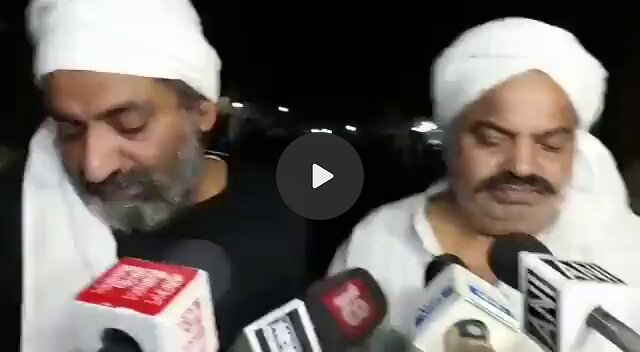
Atif Ahmed. The character is clearly based on Atiq Ahmed, the gangster-turned-politician from Uttar Pradesh who ran a criminal empire from prison for decades. More than 100 criminal cases. He served as both MLA and MP. His network moved counterfeit currency and laundered money linked to terror financing, and was connected to Pakistan’s ISI and Lashkar-e-Taiba. In April 2023, Atiq and his brother Ashraf were shot dead on live television while being escorted by police for a medical check-up. Three gunmen posing as journalists. The film recreates this killing in a way that’s nearly identical to the real footage. There’s no question this man was working to subvert his country.

Uzair Baloch wanted SP Aslam killed after Rahman Dakait’s death:
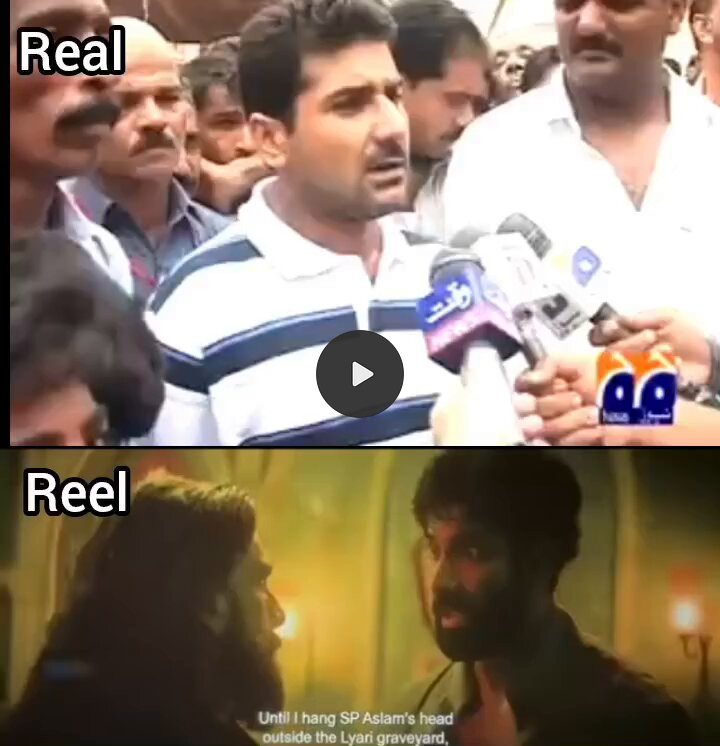
One scene shows a reporter covering the Lyari gang war in Pakistan with live gunfire in the background. That was inspired by real footage of a reporter:

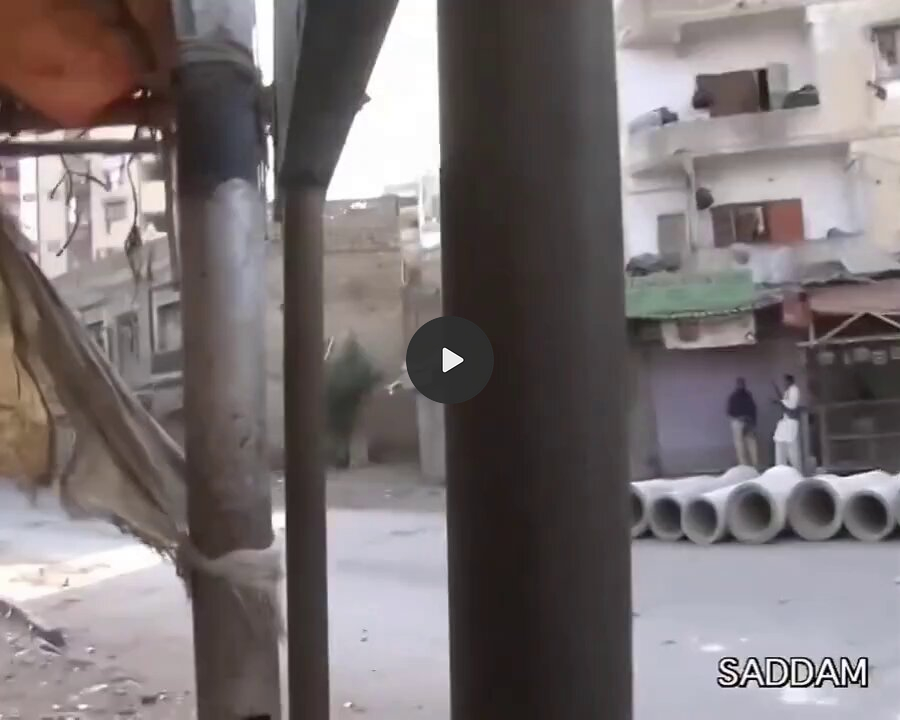

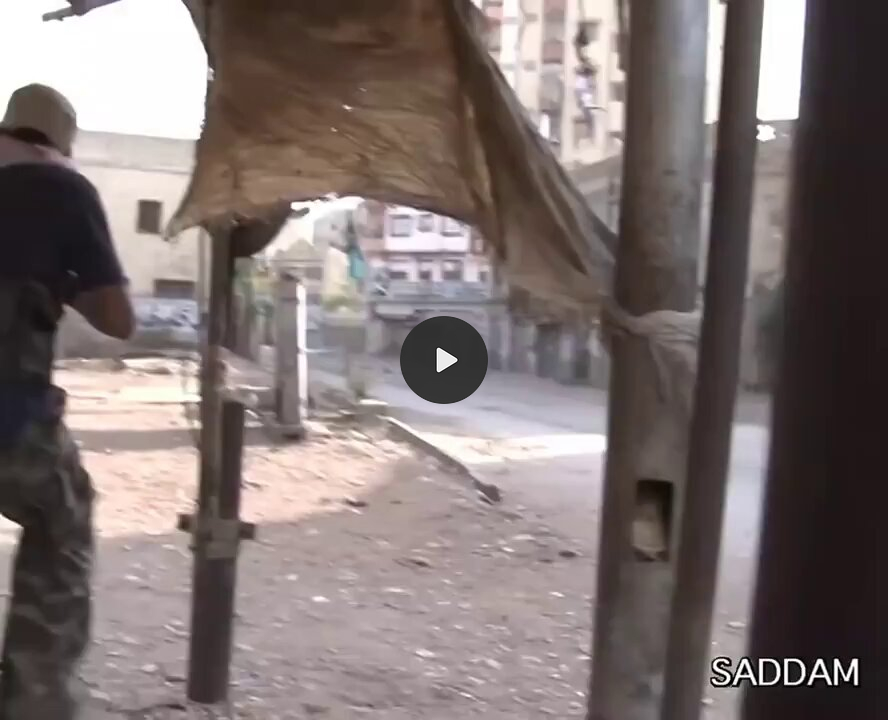
Uzair Baloch’s story was actually arrested in Dubai with an Iranian passport:
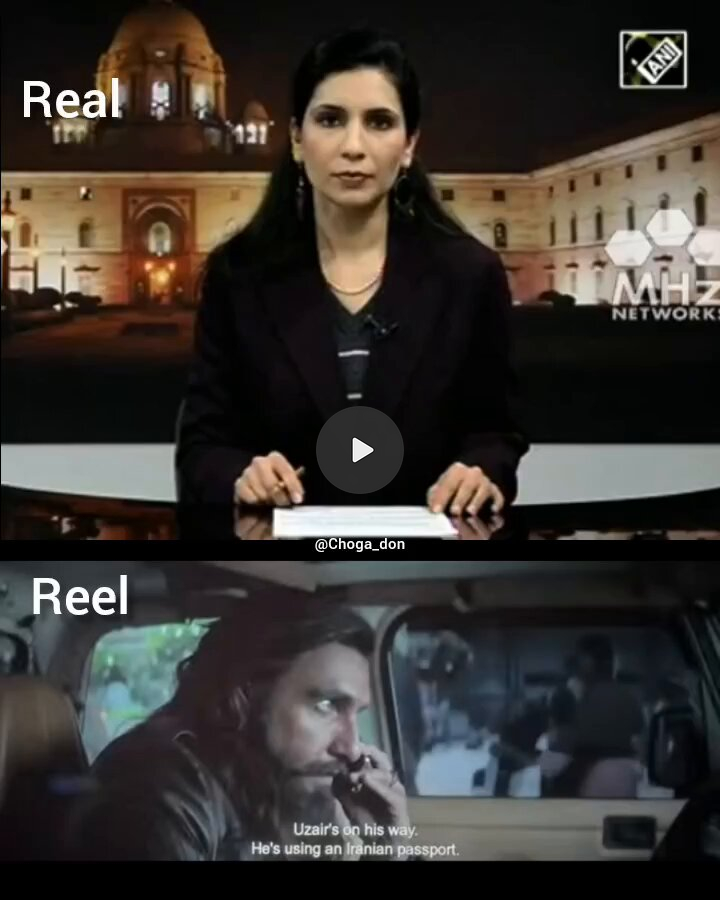
At a certain point you stop asking “how much of this is real” and start asking “what did they leave out and why.”
VICE did a series on Karachi that shows you how accurate the movie’s depictions were, with Uzair baloch, SP Aslam Chaudhary, and Nabeel Gabol (Jameel Jamali).
India’s Unknown Men
This brings us to the reporting that should be at the center of every serious conversation about this film.
In April 2024, The Guardian published an investigation based on interviews with supposed intelligence officials from both India and Pakistan, alongside documents shared by Pakistani investigators, detailing how India’s Research & Analysis Wing allegedly carried out assassinations on foreign soil as part of a strategy that intensified after the 2019 Pulwama attack. The reporting documented nearly twenty killings since 2020, carried out by unknown gunmen in Pakistan, with sleeper cells operating primarily out of the United Arab Emirates coordinating the executions. Indian intelligence officers told The Guardian that the shift was triggered by a simple realization: the safe havens were in Pakistan, and India had to get to the source. One officer cited the killing of Jamal Khashoggi as a direct discussion point at the highest levels of Indian intelligence: if the Saudis could operate abroad, so could India. The Khashoggi model wasn’t about the method. It was about the principle. You eliminate your enemy on foreign soil and send a message at the same time. Pakistani investigators pointed to evidence across seven cases, including witness testimonies, arrest records, financial statements, and WhatsApp messages linking RAW to the operations. Targets included commanders of Lashkar-e-Taiba, Jaish-e-Mohammed, Hizbul Mujahideen, and Khalistan-linked militants.
The Washington Post ran its own investigation in late 2024, examining the same pattern of targeted killings and confirming the contours of the assassination programme. Al Jazeera corroborated the findings independently. Pakistan’s foreign secretary formally accused India of “extraterritorial and extrajudicial killings” in early 2024, citing what he called “credible evidence” of Indian involvement and a “sophisticated international set-up spread over multiple jurisdictions.” India denied the claims. But India’s own defense minister, Rajnath Singh, said in an interview: if a terrorist escapes to Pakistan after attacking India, we will go to Pakistan and kill him there. Home Minister Amit Shah, asked about the unknown men killings, said simply: “Whoever has killed, what is the problem?”
India stopped negotiating with terrorists, stopped bowing down and behaving like cucks, and started dealing with them in the only language they understand. I think only truly delusional people see this as a problem.
The killings continued even after the April 2024 reporting brought global attention. In May 2025, unknown gunmen assassinated a Lashkar-e-Taiba operative in Sindh who’d been involved in the 2005 Indian Institute of Science attack in Bangalore. In February 2025, the brother-in-law of globally designated terrorist Hafiz Saeed was shot dead in Khyber Pakhtunkhwa. The modus operandi is always the same. Two gunmen. Bike. Close range. Gone in ten seconds. Some men get identified, but many get away, and the network remains at large.
Even on March 21st, after the movie released, Lashkar-e-Taiba (LeT) commander Bilal Arif Salafi was reportedly shot and stabbed to death inside Markaz Taiba in Muridke, Pakistan, by unidentified gunmen shortly after Eid prayers. Muridke is where the movie’s conclusion takes place. It’s almost like India is daring Pakistan to stop them, comfortable knowing how easy it is to complete these executions.
It’s all too easy because Pakistan keeps manufacturing the conditions that produce these “unknown men.” The Baloch that Ranveer infiltrates successfully with in the movie are being killed by state-backed death squads, as shown in the film. Over 1,200 forcibly disappeared in 2025 alone, according to the Baloch Yakjehti Committee. Students. Farmers. Teenagers. Bodies dumped with signs of torture in districts the army has sealed off from journalists and ambulances alike. The Pashtun Tahafuz Movement, a peaceful rights group, was banned outright in 2024 under anti-terrorism laws for the crime of asking where their missing people went. In 2025, 329 Pashtun civilians were killed along the Durand Line by Pakistan’s own military.


The Baloch and the Pashtuns are entire nations inside Pakistan’s borders who’ve been treated as disposable populations for decades, and they’re done being quiet about it. When critics call Dhurandhar anti-Muslim, this is the part they skip. The film’s villains aren’t Muslims. They’re the Pakistani state, the suicidal Islamic extremists they sponsor and the networks affiliated with them. Mustafa Ahmed, the Indian Muslim actor who plays Rizwan, put it simply: “My name is Mustafa Ahmed. If this were propaganda, why would Aditya Dhar cast me? He could’ve cast a Mahesh or a Mukesh.” He’s right. Indian Muslims aren’t fleeing enforced disappearances or getting their houses bulldozed by death squads for attending a protest. The people suffering most from the oppression the film depicts are Muslim too. The Baloch are Muslim. The Pashtuns are Muslim. The idea that showing what Pakistan does to its own people constitutes anti-Muslim bigotry requires you to dehumanize the Baloch and Pashtuns.

In reality, many righteous Indian Muslims participate in these operations along with Afghans and domestic Pakistani rebel groups. They are extremely difficult to catch in Pakistan because of the genetic similarities between populations. Of course, the movie makes it look like a small team of agents pulling off surgical hits. The reality appears to involve a sprawling network of sleeper cells, locally recruited operatives paid through Dubai, and coordination across multiple countries.
The type of person who calls this film propaganda is, almost without exception, someone who has never had to deal with the real world. They don't run a business. They haven't navigated India's suffocating bureaucracy, its corruption, its poverty, the daily reality of a country that is, in many ways, disgusting. They're blind to India's actual flaws because they've replaced observation with ideology. They think discrimination explains everything, that justified counterterrorism is the same as fascism. These are people with weak genetics, spiritually speaking. The kind who would have laid down when their ancestors were under attack. Who would have watched temples burn and said "let's have a dialogue." Who would have negotiated with the men who displaced entire populations from Kashmir. They call it propaganda because confronting what's real, that sometimes the correct response to terrorism is to send men to kill terrorists, makes them uncomfortable.
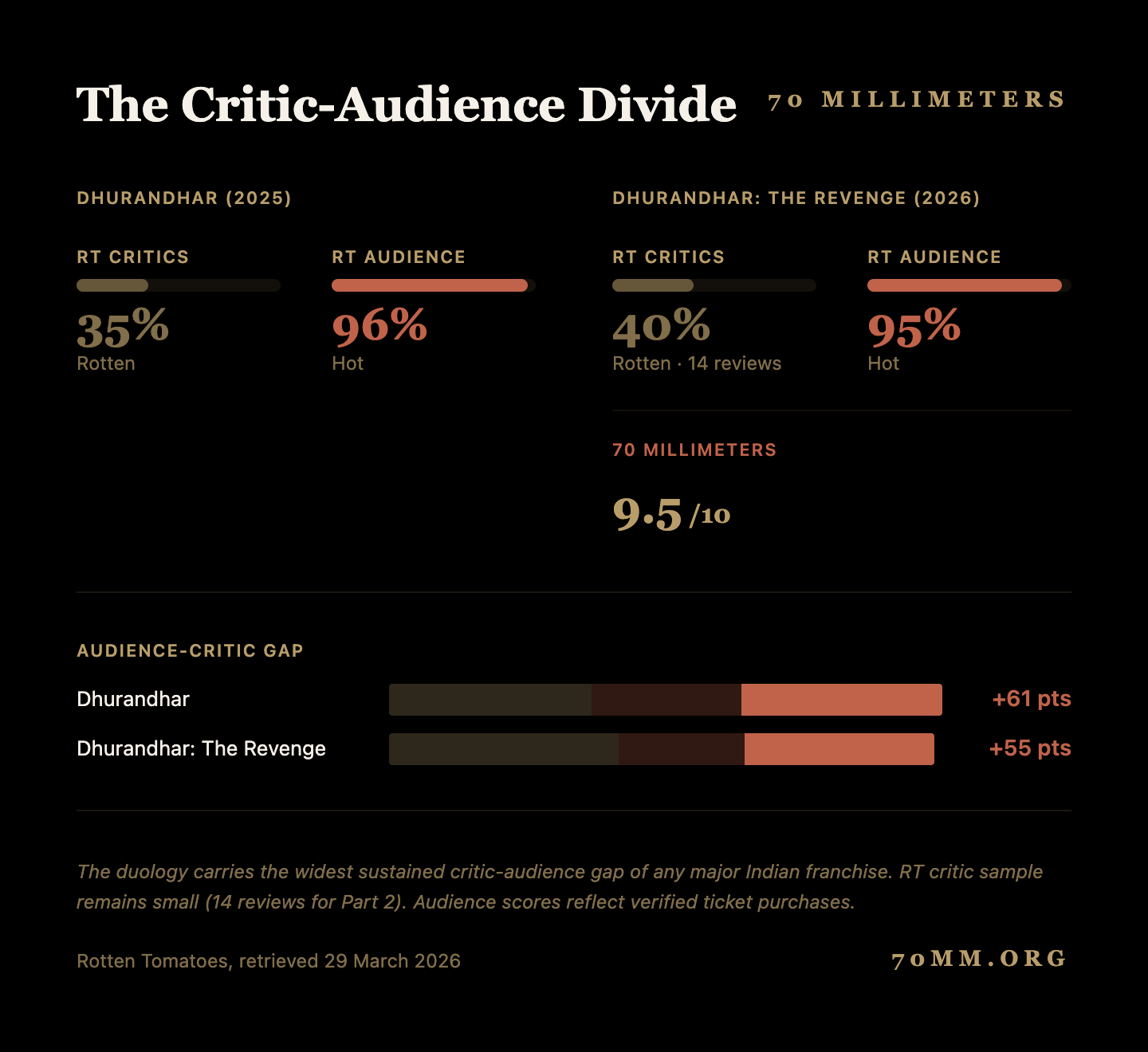
The numbers tell the story the critics won't. Dhurandhar Part 1 sits at 35% with critics on Rotten Tomatoes and 96% with audiences. Part 2: 40% critics, 95% audience. That's a 61-point gap on the first film and a 55-point gap on the second, the widest sustained critic-audience divide of any major Indian franchise. And the critic sample is laughable: 14 reviews for Part 2. Fourteen. Likely all handpicked for their ideological leanings. For a film that broke Indian box office records. The audience score reflects verified ticket purchases, people who actually sat in the theater for nearly four hours. The critics score reflects a handful of English-language outlets, many of whom decided the film was propaganda before the opening credits rolled. When the gap between professional critics and the paying public is that wide, that consistent, across two films, the question stops being "is this film good?" The question becomes "who are film critics actually writing for?" Because it clearly isn't the audience.
Whether someone calls this film propaganda becomes a litmus test for whether you can trust their judgment on anything.
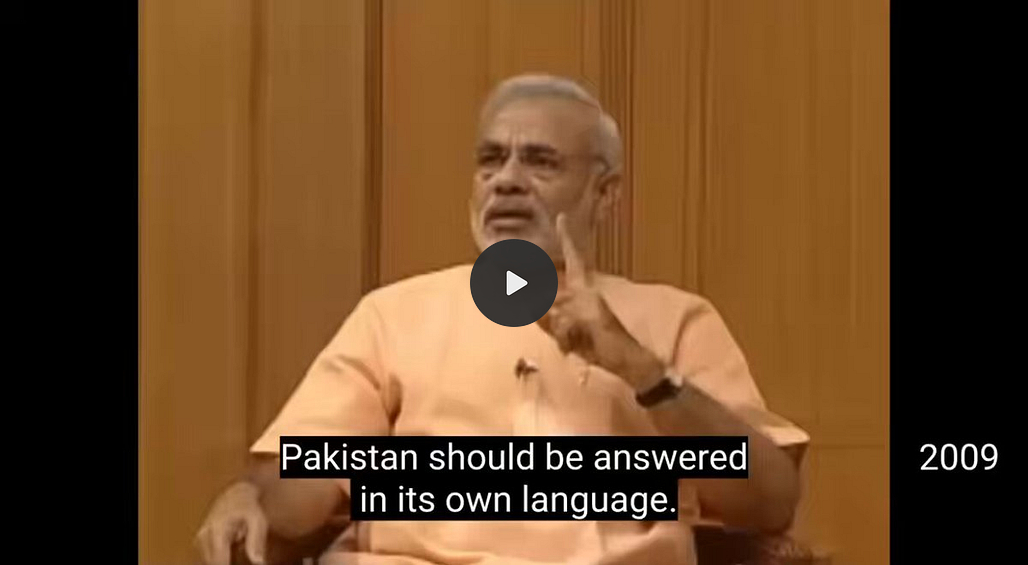
The film’s depiction of India’s 2014 election is one of its most darkly funny sequences. Pakistan’s intelligence apparatus floods India with counterfeit currency and funnels money through NGOs and propaganda networks to prevent Modi from winning, and the film shows their fury when he wins anyway. If you know the history of India’s Congress party’s relationship with Pakistan’s interests in the post-26/11 era, the sequence lands even harder. The entire political class in India either tolerated, or benefited from foreign influences or Pakistani money laundering, and was functionally compromised. Remember, this is the country where a creepy dude like Gandhi is celebrated and put on their currency. Gandhi was a Mason, a subversive agent working against India, who conducted controversial “experiments” in celibacy (brahmacharya) in his later years, sleeping naked with young women, including grandnieces. Modi’s speech in 2009 is excellent and emblematic of the attitudes among many Indians over the years:

There were so many stories of Indian politicians being totally compromised, the idea that anything depicted here is propaganda is laughable.

The film’s impact on the real world has been hilarious. India’s Congress party is paying or attempting to take down old news articles revealing the extent of their foreign infiltration. Posts like these are making the rounds on social media:


The guy who was based on the character Jameel Jamali embraced it in the first movie, now he’s being questioned because the movie made him an Indian spy. To be honest, I did find that plot touch to be a bit unrealistic in the moment, because the movie doesn’t feel like it fully earned it over 2 parts. But if I think about the actual realities, it’s likely that people have been positioned in politics solely to push intelligence.

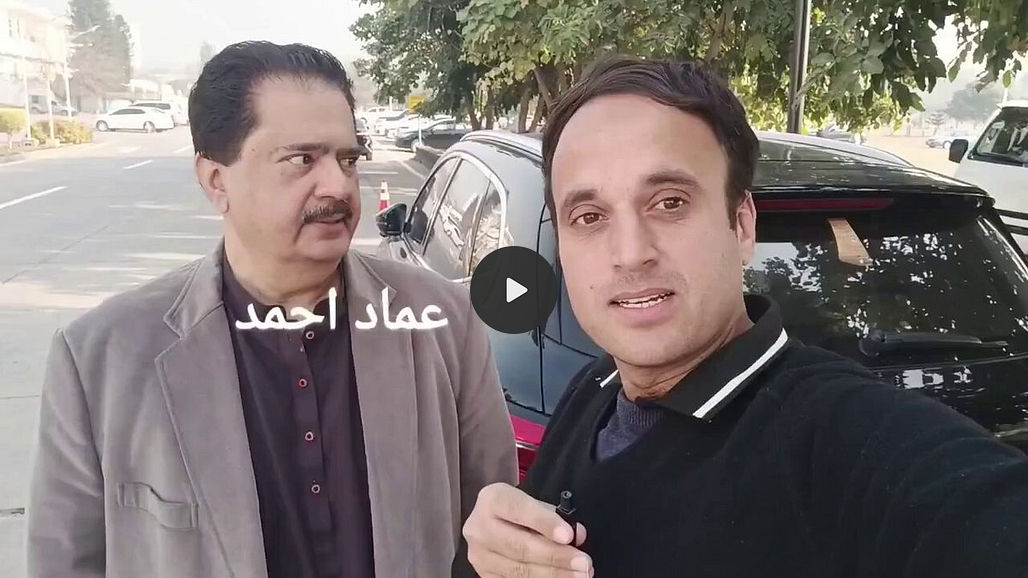
Pakistan’s treatment of the Baloch people is what enables India to infiltrate so effectively. The systemic oppression creates the vulnerability. The film makes no attempt to pretend India is clean, either. Ranveer’s backstory isn’t a classic Muslim conflict but something rooted in ordinary people trapped in gang wars in India itself. India is a murky place full of corrupt scum too. But the film’s argument is that fighting terrorism is a higher cause than pretending your own house is in perfect order.
That this film exists, and was made by Kashmiri Pandits processing generational trauma through the spy genre, tells you something about where Indian cinema is going. Aditya Dhar, born into a Kashmiri Pandit family displaced from Kashmir, the very region where Pakistan’s militant operations have been strongest, has built a two-parter that treats covert intelligence work with a specificity and emotional intelligence that Bollywood’s previous attempts at the genre couldn’t touch. He shot both films back-to-back, principal photography running from July 2024 to October 2025 across Punjab, Chandigarh, Maharashtra, Ladakh, Himachal Pradesh, and Thailand. He split the footage into two films during post-production. Both films have a distinct identity. Part 1 builds the world. Part 2 burns it down.
Look at what passes for mainstream Bollywood filmmaking from the industry’s biggest names. The spy genre has been attempted repeatedly by stars with far larger budgets and far less homework. You get spectacle without research, subversion of nationalism, and action without consequence. The vast majority of Old Bollywood is full of rent-seekers who just want to maintain their celebrity and status. Shah Rukh Khan’s mediocre recent output, Salman Khan’s factory-produced garbage that coasts on star power and treats audiences like ATMs. The era of phoning it in, of CGI replacing commitment and scripts being written during lunch, is what Dhurandhar is actively replacing. A generation of Indians was raised on films produced by people with documented connections to Dawood Ibrahim’s network who didn’t care about their craft. The radio silence from Bollywood’s elite on this movie tells you everything. Their films were subversive in the original sense: they subverted reality, replaced it with fantasy, while the men funding the industry were actively working against the nation’s interests. Dhurandhar researches reality. That’s the difference.

Even India’s upcoming mythological productions face the same question: is the creative team doing the work to honor the material, or treating sacred source material with the same casualness that’s defined an industry built on connections rather than craft? The casting of Sai Pallavi as Sita, who doesn’t look nor sound the part, or Hollywood’s habit of casting Lupita Nyong’o as Helen of Troy for what feels like ideological reasons: it’s the same instinct: sacrificing the sacred at the altar of contemporary. Giving Ramayana to the same people connected to the old Bollywood mafia ecosystem is absurd when you have filmmakers like Dhar who are willing to do the actual work. The audience can tell the difference. When a film grounds its most dramatic moments in events that The Guardian and The Washington Post have independently verified, it exposes how hollow the competition has been.
The record-breaking opening is no coincidence. Dhurandhar: The Revenge set paid preview records, crossed ₹500 crore net in its first week, and is tracking toward the ₹1,000 crore club faster than any Hindi film in history. The franchise has now crossed ₹2,200 crore worldwide, behind only the Baahubali and YRF Spy Universe franchises. If it has even half the legs of the first film, this becomes the greatest Indian movie franchise of all time. The numbers are the sound of an audience that was starving for a cinema that takes their reality seriously and gives it back to them on the largest possible screen.

If you’ve lived through trauma, if you’ve experienced violence or ideology up close and survived it with the need for purpose ingrained into your nervous system, this movie speaks a language you already know. I relate to Hamza’s arc more than I expected to. My own years of pain with health, of depression, of suicidal ideation, of existential crisis, of needing something, anything, to pull me out. Creativity and building and brand-building and moving forward became my version of what serving his country is for Hamza. The ending, where he doesn’t go back, where the life his family built exists without him in it, is the truest thing in the film. Some purposes consume you. The lucky ones find a purpose that gives back. The principle underneath, that men must take action, that sitting idle while the world burns is its own form of cowardice, is spot on.
“A true warrior is one who fights for a cause. Even if he cuts into pieces, he never abandons the battlefield.” — Ajay Sanyal
If you’re Greek and your Hagia Sophia was taken, if you’re Iranian and your civilization was overwritten, if you’re Indian and your temples were demolished and ancestors forcefully converted and your people displaced from Kashmir, you’ll feel this in your bones. The pain of the tragedy of terrorism and conquest on India is not always told well. This film finally does it.
It isn’t quite The Dark Knight of sequels. It’s missing Akshaye Khanna, it lets its hero win too easily in places, and it’s about twenty minutes too long. But once you understand the factual foundation underneath the masala, once you’ve read The Guardian’s reporting and the Washington Post’s investigation and cross-referenced the names and the dates and the methods, you realize you’re watching something extraordinary. A film that wraps verified covert history in the language of commercial Indian cinema and trusts the audience to discover the truth underneath.
The unknown men are real. They’re still operating. And this movie is the closest anyone has come to putting their story on a screen.
Aditya Dhar, we will watch your career with great interest.