

Growing up in the 2000s, Revenge of the Sith was the best Star Wars movie. The original trilogy had the mythology and some of the most committed practical sets in cinema history, but Episode III had the tragedy, the scale, the score, the visual ambition and the best lightsaber battles. Lucas pushed the technology forward with every film he made. He built new worlds because he thought audiences deserved new worlds. Then he sold Star Wars to Disney, and the company that built an empire on recycling fairy tales did what it does best: it recycled.
The Force Awakens came out in 2015 and I was a teenager, freshly moved to New Jersey after a detour in Singapore for middle school, excited to plug back into American culture. I grew up watching Star Wars in the Chicago suburbs. My childhood was returning. Star Wars was back! The hype was real. The critical establishment lined up to praise it. The writing was strong, they said. The characters were refreshing. It felt like the real thing again. Star Wars: Battlefront dropped as a video game and fed the same nostalgia loop. The momentum was impossible to resist. I’ll give it to Disney: the trailer was iconic.
But the feeling didn’t last. Snoke was Palpatine again. Rey was another unknown on another desert planet, Jakku standing in for Tatooine. Maz Kanata’s castle was the Mos Eisley cantina. Harrison Ford was fan service. Starkiller Base was a Death Star, except bigger, because that’s the only creative move this kind of thinking allows. The entire film was Star Wars: A New Hope all over again.
George Lucas saw it immediately. According to Bob Iger’s own memoir, Lucas watched an early cut and didn’t hide his disappointment. “There’s nothing new,” he said. In every film he made, it was important to him to present new worlds, new stories, new technologies. The Force Awakens had none of that. In an interview with Charlie Rose, Lucas was even more direct:
LUCAS: “They wanted to do a retro movie. I don’t like that. Every movie, I worked very hard to make them completely different, different planets, different spaceships, to make it new.”
Disney had taken his story treatments, thrown them out, and decided to make something “for the fans.” Lucas’s response was essentially: fine, you’ll give them exactly what they think they want, and they’ll cheer, and it’ll be the beginning of the end. He was right. An entire generation got sold derivative material as the real thing, and the corporate-critical complex applauded it into a $2 billion box office.
The Road Not Taken
What bothers me most about the Star Wars sequel trilogy? The one film that actually tried something got punished for it.
"Let the past die. Kill it, if you have to. That's the only way to become what you were meant to be." — Kylo Ren, The Last Jedi
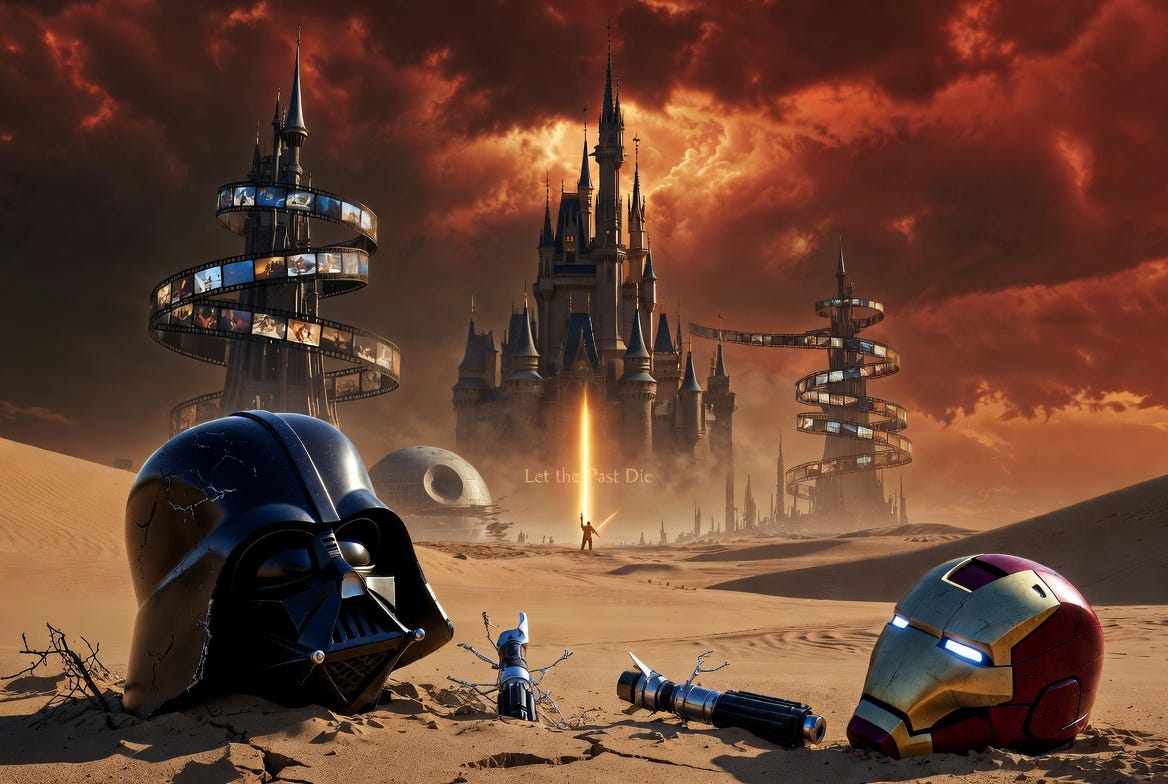
The Last Jedi is hated. I understand why. It does some weird things. But Rian Johnson is a smart filmmaker who looked at the trajectory J.J. Abrams had set and understood, correctly, that following it would doom the franchise to repeating itself forever. So he swung the hammer. Kylo Ren kills Snoke halfway through the movie. He becomes his own villain instead of another Vader answering to another Emperor. “Let the past die” is the thesis statement of the only person in the room who understood what Star Wars needed.
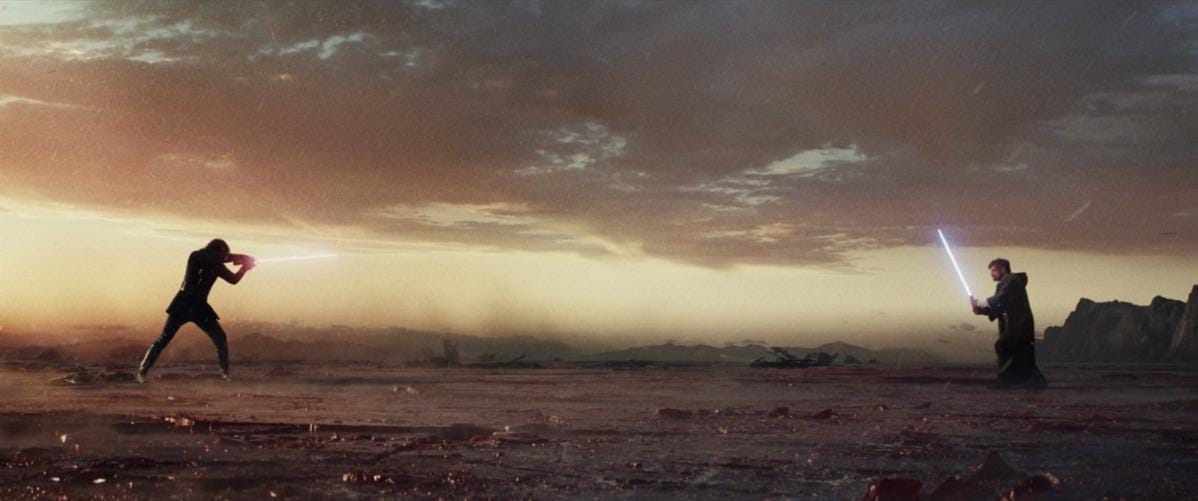
Luke Skywalker’s final act, projecting himself across the galaxy to defend the Resistance, is genuinely beautiful filmmaking. The cinematography is absolutely stunning.
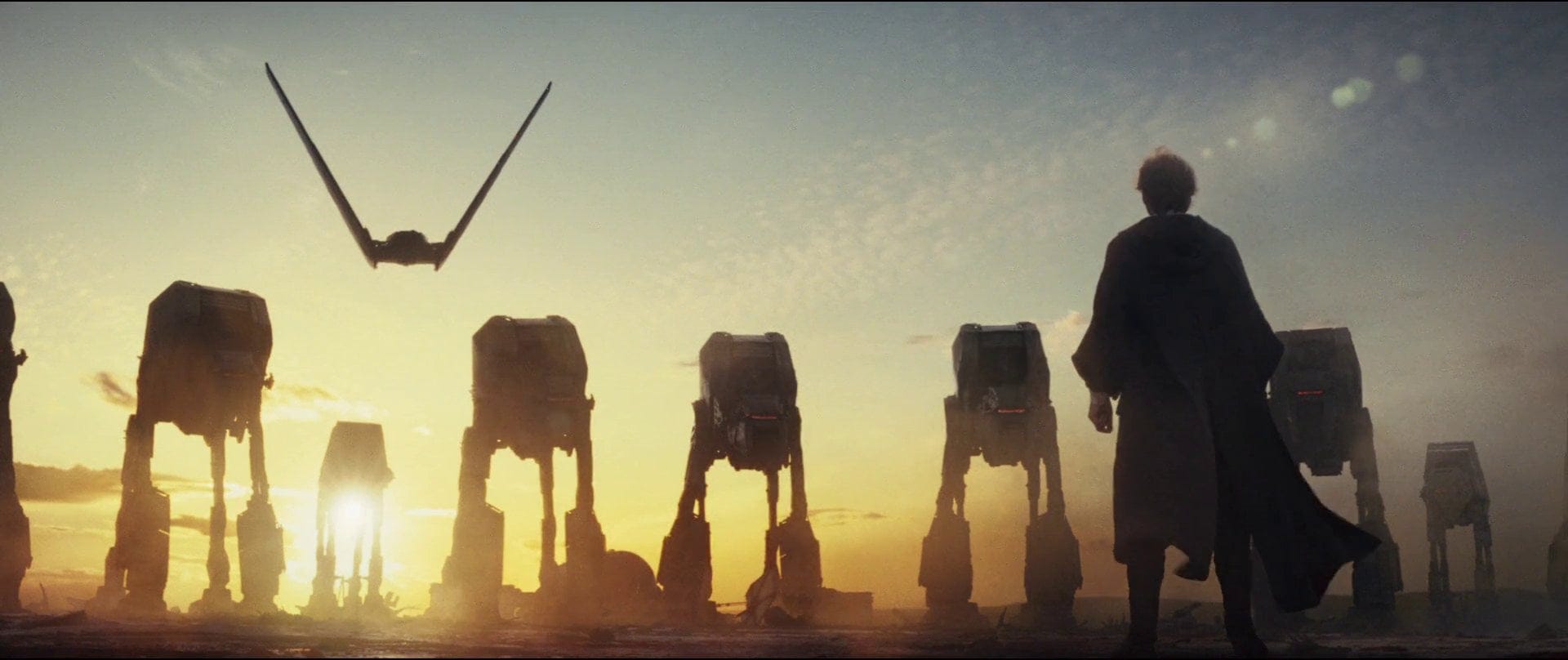
The sequences of Rey learning from Luke have a mystical suspense to them, this student-master energy that works well. Lucas himself, through a representative, called it “beautifully made.” Coming from a man who trashed The Force Awakens to the CEO’s face. The creator of Star Wars himself! But unfortunately, the fans hated it.
Was The Last Jedi perfect? No. But Johnson was dealt a losing hand. Abrams and Disney had built the foundation out of nostalgia and repetition, and Johnson was left to either continue building on that shaky ground or try to steer the whole thing somewhere new. He chose the braver path. And then The Rise of Skywalker came along, undid everything Johnson set up, brought Palpatine back from the dead (seriously: he wasn’t dead in Episode VI?), shoved Rey and Kylo into a kiss nobody asked for, and delivered the most cowardly finale imaginable. Lucas never commented publicly on Episode IX. He didn’t attend the premiere. That silence says everything. The entire trilogy should be struck from canon and restarted. But as long as Disney is running things, admitting a mistake that large and doing something bold about it is a fantasy more far-fetched than anything in the films.
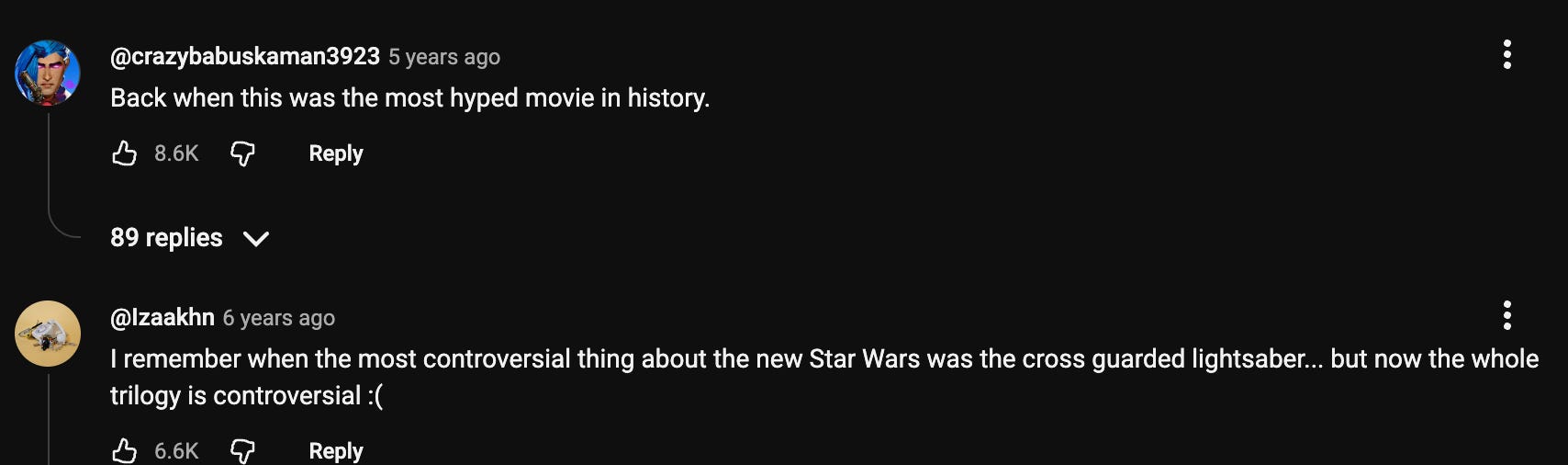
The comments on that first Force Awakens trailer are emblematic of what went wrong:
The Nostalgia Engine Never Stops
And then they did it to television.
I watched Kenobi on Disney+. This is a show that should have been a slam dunk. Ewan McGregor returning as Obi-Wan Kenobi ten years after Revenge of the Sith, Hayden Christensen back as Vader, a $25 million per episode budget. This should have been a dark, tight, emotionally devastating mini-series about a broken man hiding from the Empire while watching over Luke from a distance.
“There’s almost no original thinking in filmmaking these days. The stories they’re telling are just old movies. ‘Let’s do a sequel, let’s do another version of this movie.’ And it’s not just in movies, but in almost everything, there’s almost no original thinking.” — George Lucas
What they delivered was a six-episode stretch job that padded a two-hour story into six hours of television. The pacing is off. The action is underwhelming for the budget. Deadline called the premiere “an empty vessel jammed with Easter eggs, tired Western motifs and clear script-by-committee pitfalls.” The audience score on Rotten Tomatoes sank to 57%, and while some of that was review-bombing, a lot of it was earned.
The show’s fundamental problem is that it’s built entirely on false jeopardy. We know Obi-Wan survives. We know Leia survives. We know Vader survives. When the show puts them in danger, there are no stakes, just the appearance of stakes dressed up with John Williams’ score. Ewan McGregor is excellent, because he’s always excellent, but the material around him is thin. The Inquisitors feel like B-tier villains from a video game. The show stretches scenes that should be dense and propulsive into slow walks down corridors.
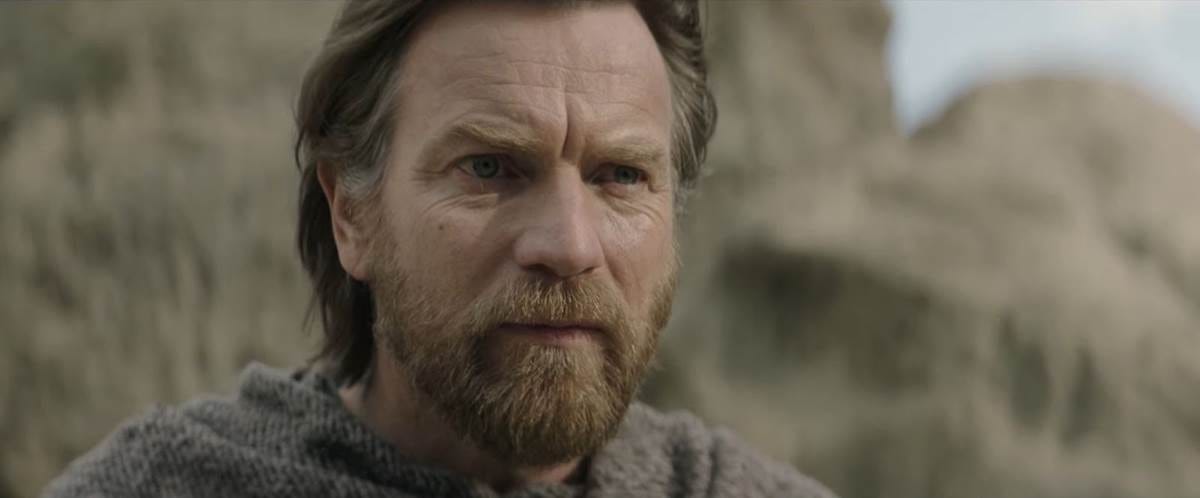
“I was the one who really knew what Star Wars was… who actually knew this world… The Force, for example, nobody understood the Force.” — George Lucas
Even the people who tend to defend Disney’s output had a hard time with this one. The critical score sat at 87% while audiences scored it far lower, and the gap told the story. The nostalgia worked on me at various points, I’ll be honest. Seeing Vader again, hearing the music swell, watching McGregor’s face carry the weight of Anakin’s fall. But that’s the trap. Disney and Marvel get everyone this way: nostalgia hits that trigger a memory of something great, packaged inside something that never rises to meet the original. You feel something, and you mistake it for the show being good. It’s not. It’s your childhood being good. Disney just knows how to milk you for the memory.
The Marvel Machine
Star Wars is only half the problem. The other half is Marvel.
There’s a difference between a great movie that has comic-book characters, like the Dark Knight, and a comic-book movie.
Marvel made comic-book movies. And they made movies worse. Not just their own movies. Movies in general. They proved you could print money by never challenging an audience. The formula is airtight: spend $200 million. Hire a director who won't fight you. Write a script where every dramatic beat gets defused by a quip before anyone has to sit with an uncomfortable feeling. Test-screen it until every rough edge is gone. Release it into an ecosystem of YouTubers and fan sites that have been conditioned to grade on the Marvel curve. Repeat. Repeat. Repeat. They conditioned an entire generation to accept mediocrity as the baseline, to mistake franchise continuity for storytelling, to walk out of a theater saying "that was fun" about something they won't remember in six months. They had the money and the talent to do something extraordinary, and they chose safe every single time. Not only did they waste their own potential, but they moved the bar for everyone else.
Over the course of a decade with that much money and that many swings, some of Marvel/Disney’s stuff has connected. Captain America: The Winter Soldier is a legitimately great spy thriller. The Russo Brothers made a paranoid, tight, well-shot film that holds up against anything in the genre, comic book label or not. Black Panther’s soundtrack was good (way better than the actual movie). Downey is Downey. I've heard the Doctor Strange films are worth watching for their references to real magical traditions, esoterica, and occult systems (though I couldn’t be bothered to find out just yet). And fine, I'm not a Deadpool guy, so I'll leave that one alone. Andor, from what everyone tells me, is the one Star Wars show that actually treated its audience like adults. The Mandalorian’s first season apparently had some of that energy too, before Disney did what Disney does to anything that works and stretched it until the goodwill snapped. But that's the list. That's what a decade of the most well-funded franchise machine in entertainment history produced that's worth defending. You can count it on one hand.
Robert Downey Jr. is Marvel. He is the entire reason the MCU worked. I’ve watched Avengers: Infinity War and Endgame. They’re cool. But they’re not great movies. Given their budgets and the decade of setup feeding into them, their cinematography was fine. Josh Brolin makes a solid Thanos. But strip away Downey’s performance, his expressions, the weight he brings to every scene he’s in, and those movies - and that entire Marvel Cinematic Universe - is expensive, mediocre television. His personal story, the addiction, the comeback, the channeling of all that chaotic energy into creation, that story gives Tony Stark a gravity the scripts don’t earn on their own. He carried.
“I don’t think they’re cinema. Honestly, the closest I can think of them, as well made as they are, with actors doing the best they can under the circumstances, is theme parks. It isn’t the cinema of human beings trying to convey emotional, psychological experiences to another human being.” — Martin Scorsese on Marvel
Marvel’s philosophy is escapism. Villains who threaten the universe but never make you feel genuinely afraid. A factory line where every film is optimized through focus groups and test screenings until anything that might challenge or offend a single demographic has been sanded away. Zero consequences to actions. Predictable storytelling. The safe route.
What I hate most is the humor. Even when the jokes land, I didn’t buy a ticket for a comedy adventure. I want grit. Realism. Villains who can actually win, who threaten in the way the real world threatens, so that when a hero acts heroically, you feel the significance. Disney can’t allow that. Their model requires that every film hit every quadrant, offend nobody, and move merchandise. So the directors they hire are largely cooperative executors of a house style, and the ones who aren’t get fired (ask Edgar Wright). The cutting edge of the films, the thing that makes heroism feel heroic, gets blunted. By trying to depolarize everything, they’re removing the hero from the hero’s journey, or reducing it to a milquetoast caricature where every act of courage is followed by a quip. Young men need heroes who feel like heroes. Disney gives them content that feels like content.
“Cinema is art; art is risk. Since the beginning, cinema has been a weird balance between art and commerce. It’s part of the game.” — Denis Villeneuve
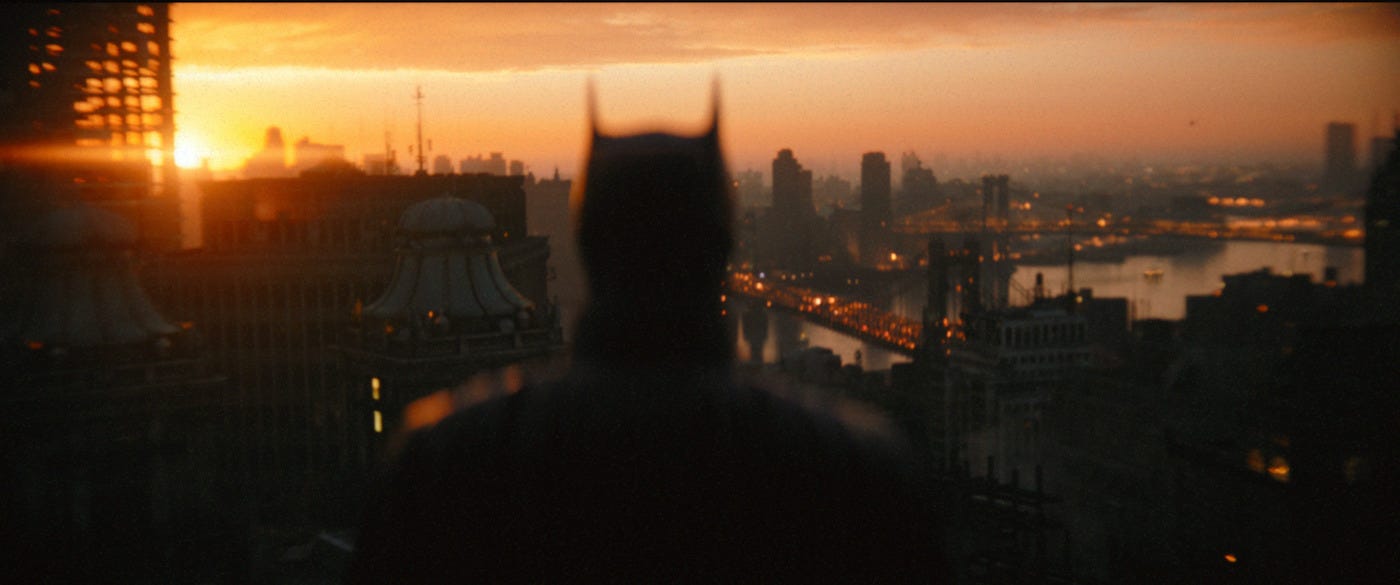
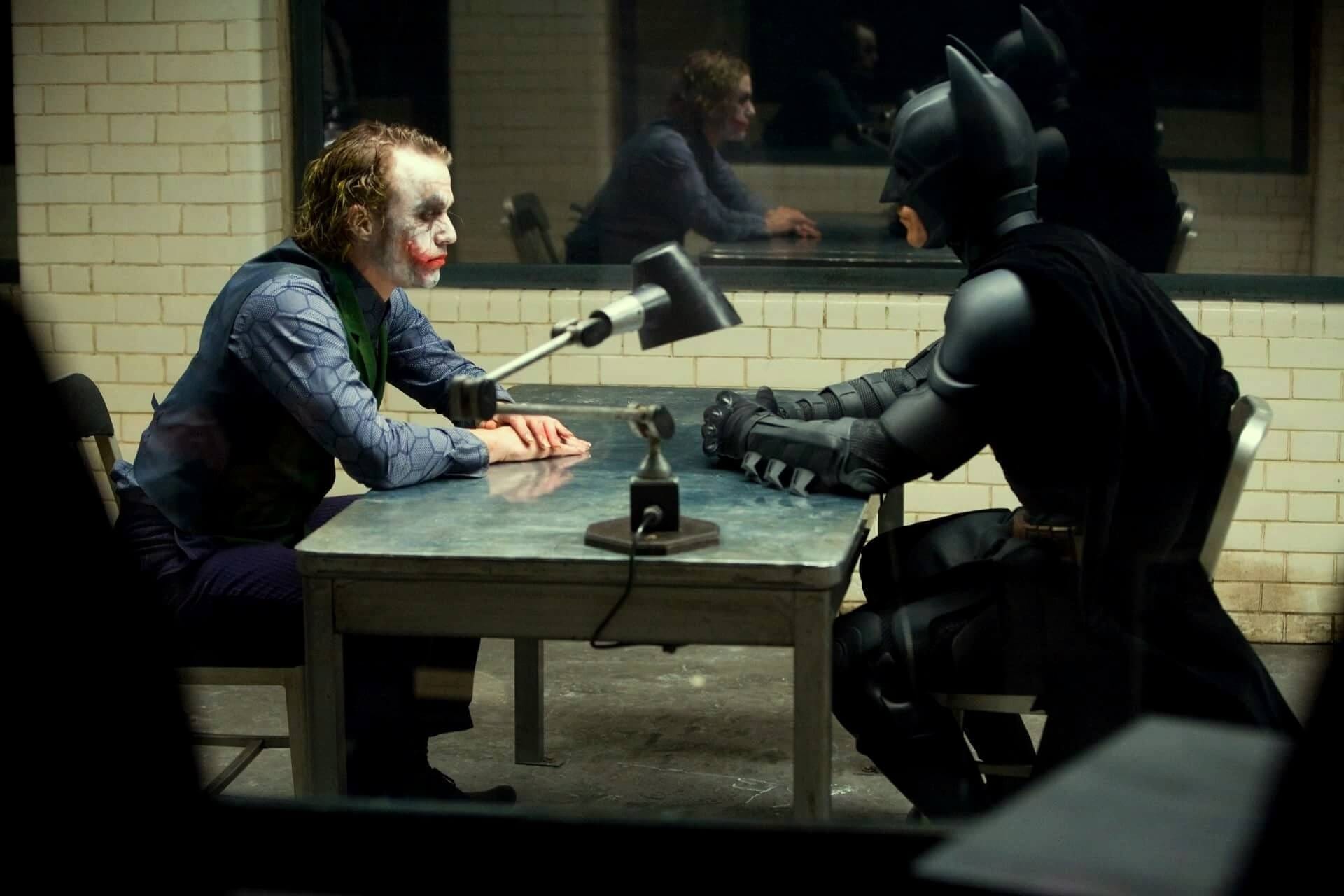
Compare that to what’s happening outside the Disney ecosystem. The Dune films made less money but are superior artistic achievements by any measure. Matt Reeves made The Batman in 2022, a three-hour noir crime thriller about a man in a bat suit, and it’s one of the best films ever made. Disney would never greenlight that. Too dark, too long, too few opportunities for jokes. Christopher Nolan’s Dark Knight trilogy, still, remains the gold standard. Those are great films that happen to feature a comic book character, and the distance between them and the average MCU entry is gargantuan.
Groupthink In Film Discourse
Remember 2016? Batman v Superman and Captain America: Civil War released within weeks of each other, and the discourse around them tells you everything about how the game is rigged.
Batman v Superman had epic action. It blew me away in the theater. The theatrical cut had real problems, missing thirty minutes of connective tissue that the Ultimate Edition restored, and the story suffered for it. Fair criticism. But Civil War got a pass on things that would have buried a DC film. You know these characters are teaming up again in five minutes. War Machine falls out of the sky and only gets paralyzed, because nobody can actually die in this universe. The fights, barring the final one between Cap, Bucky, and Tony, are childish and lean into humor instead of consequence. The critical establishment treated Civil War as the mature, sophisticated version of what BvS was trying to do, but Civil War was scared of its own premise. It raised the question of whether superheroes should be accountable and then shrugged.
I’m not here to relitigate that war. My point is about the infrastructure. The review ecosystem, the fan communities, the YouTube breakdown channels, all of it had already been trained by Marvel marketing to evaluate films on the Marvel curve. Something that played by Marvel rules got graded generously. Something that didn’t got the full critical firing squad. If you enjoyed Batman vs Superman, you were made to feel crazy and delusional. And over time, that training reshaped what audiences expected from blockbuster filmmaking. The bar dropped.
DC learned this lesson the hard way. After Batman v Superman took its beating in the press, Warner Bros. panicked. They looked at the audience data, the critical consensus, the way Marvel's tone had become the default expectation for what a superhero movie should feel like, and they flinched. They brought in Joss Whedon to reshoot Justice League, brighten the color grade, add jokes, sand down every edge Zack Snyder had built. The result was a film that pleased nobody. DC & Snyder fans, who grew up on Christopher Nolan’s Dark Knight Trilogy, hated the movie. Marvel's audience didn't switch loyalties over one movie. And the film itself became a weird mish-mash, two visions stitched together with neither one intact. That's how deep the conditioning ran. A major studio with Batman, Superman, and Wonder Woman in the same film looked at what audiences had been trained to expect and decided it had to become Marvel to survive. It didn't work, because you can't out-Marvel Marvel. The audience knows the difference between the original and the imitation.
What’s worth noting is that Warner Bros. recovered. They gave Villeneuve Dune. They let Zack Snyder make his version of Justice League (which is simply extraordinary). They let Matt Reeves make a three-hour Batman noir. They greenlit Gunn's Superman. For all the Justice League stumble, the studio has maintained a commitment to real filmmakers that Disney has never matched.
As a result of Disney’s hegemony, a lot of people have given up on the movie-going experience somewhere in the last decade and a half. At some point it stopped feeling like an escape and started feeling like a lecture. Cast with people who looked miserable, doing miserable things, performing bland scripts that seemed engineered to make you feel bad about feeling good.
I really enjoy Adam Townsend’s thoughts on this subject.
As Adam argues, the Western idea of virtue used to mean something specific. It meant distinguishing yourself. Standing apart. Doing the difficult, remarkable, singular thing that nobody else could or would do. That definition got quietly swapped out for something closer to a Chinese social credit model, where virtue means scoring well on a checklist of pre-approved behaviors. Good and bad got sorted into upfront categories before the story even started.
We go to movies to see beautiful people, stripped away of the limitations of their daily lives, letting the best version of the human spirit loose on screen. That beauty got replaced by compliance and conformity.
You can see it most clearly in the superhero movies. The Marvel characters of this the last era don’t possess virtue in the old sense. They don’t distinguish themselves through the painful, individual act of becoming something extraordinary. They’re exemplars of the new virtue. They say the right things, hold the right positions, perform the right emotional beats on cue, deliver the inoffensive lines, and beat the hero on time. They are, functionally, the highest achievable score on a social credit system projected onto a screen. They’re not aspirational because of what they’ve overcome or what they’ve dared; they’re aspirational because they behave correctly, formulaically. But that’s not what movies are for. That’s not why anyone ever sat down in a dark room full of strangers and gave two hours of their life to a screen.
The Cameron Problem
I should say something about Avatar, because its box office numbers make it part of this conversation even though it’s not Disney-Marvel in the traditional sense.
James Cameron is a better filmmaker than anyone at Disney’s studio system. I respect the man’s commitment to building technology and pushing what a camera can do. The Avatar films are technically astonishing. But the writing makes them unwatchable for me. The entire franchise runs on a suicidal empathy toward the Na’vi that asks you to root against your own species. The films treat the Na’vi as a stand-in for colonized peoples and indigenous communities, and the whole thing is this heavy-handed exercise in making the audience feel guilty for being human. If you’re someone who’s fine with the complexity of human history, conquest included, the moral framing of Avatar feels like a lecture from a filmmaker who built his fortune inside the very system he’s asking you to condemn.
CAMERON: “A lot of things I did earlier, I wouldn’t do - career‑wise and just risks that you take as a wild, testosterone‑poisoned young man.”
“I always think of [testosterone] as a toxin that you have to slowly work out of your system.”
Here’s a guy who built his legacy on characters who sweat, bleed, and refuse to quit, then turned around and called testosterone a toxin. I don’t need to agree with everything a filmmaker believes off-camera to appreciate what they put on it, but when the sentiment lines up with what Disney’s been doing to its own heroes for a decade, it’s hard not to notice the pattern. Male protagonists in the MCU got progressively softer, dumber, more punchline than person. Meanwhile, in the real world, testosterone levels in men have been declining for years, and the health consequences are serious and well-documented. I’m not drawing a straight line from one to the other. But a culture that treats masculine competence as something to parody or apologize for isn’t helping anyone, and Hollywood’s biggest studio spent the better part of a decade doing exactly that.
Cameron’s movies are still better than the Disney focus-group assembly line, because at least there’s a singular vision behind them and a genuine commitment to pushing the medium forward. At least Cameron earns your attention through his craft.
The Last Straw
2021 was when it broke for me. Spider-Man: No Way Home made $1.9 billion, and it was the last Marvel movie I saw in theaters. I am embarrassed to admit I watched it.
The story is bad. The writing is lazy. The internal logic falls apart in real time as you’re watching. It breaks up intense moments with jokes. But Tobey Maguire walks through a portal and the theater erupts, and suddenly none of that matters. The same strategy as The Force Awakens, refined and weaponized: take something the audience already loves, put it on screen again, let the memory of the original do the emotional heavy lifting, and pocket the audience’s cash.
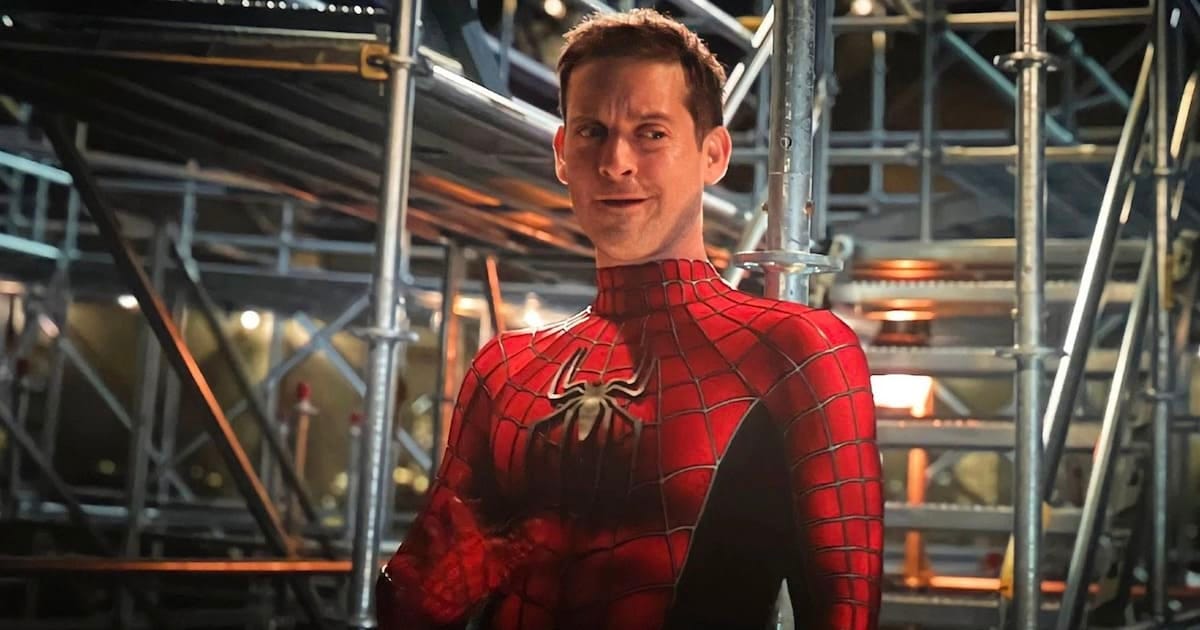
Sam Raimi’s original Spiderman trilogy was superior to anything Marvel has put out with the character, and also brought people to the theater for a taste of that energy. I know people who are sharp about this stuff, who see through corporate manipulation in every other context, who got nostalgia-baited into the theater for Tobey and Andrew Garfield. It’s Spiderman, it can’t be that bad, right? Yet even they started turning. Even people who cheered came out of that movie with a sour taste.
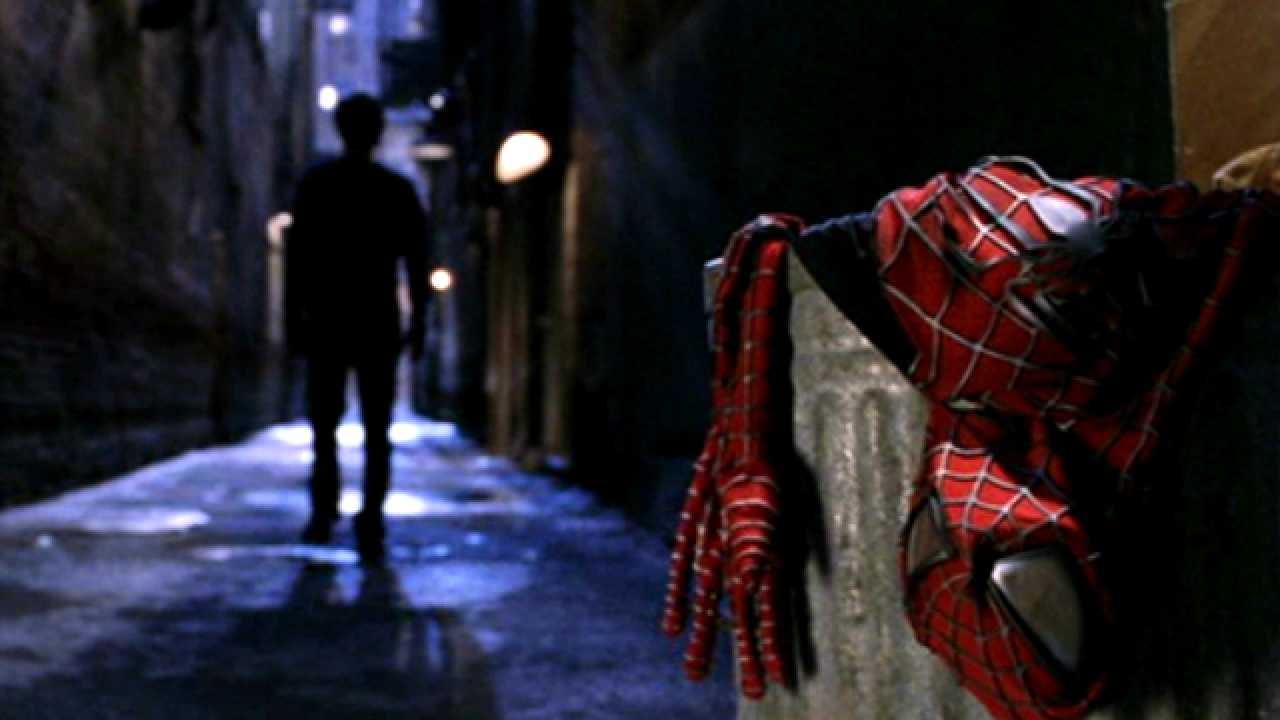
No Way Home was the point where a critical mass of the audience realized Disney ruins everything it touches. The movie made its money. It’ll always make money. But something shifted after that. The trust was gone. People who’d been defending the MCU for years started opting out. The goodwill that carried Marvel through mediocre Phase Four entries evaporated, and when Captain America: Brave New World and Thunderbolts showed up in 2025 with their $180 million budgets and their interconnected homework assignments, the audience wasn’t there anymore. No Way Home killed the belief that these movies were worth caring about.
The Numbers Don’t Lie
The exhaustion is showing up in the data now.
In 2025, Marvel released three films. Captain America: Brave New World grossed $415 million against a $180 million budget, with an additional $100 million in marketing. Thunderbolts* made $382 million on a similar budget. The Fantastic Four: First Steps was the strongest of the three at $521 million, but even that fell short of expectations for one of Marvel’s most iconic properties. None cracked the top five highest-grossing films worldwide for the year. For context: Deadpool & Wolverine alone made $1.3 billion in 2024, more than all three 2025 films combined. And even that success was built on nostalgia: Hugh Jackman coming back, Ryan Reynolds riffing on the meta-comedy of it all. Marvel hasn’t successfully launched a new franchise since Endgame.
“You always have to be aware that an audience is extremely ruthless in its demand for newness, novelty and freshness.” — Christopher Nolan
Meanwhile, James Gunn’s Superman made over $616 million, outperforming every Marvel release of the year. Gunn, by the way, is one of the only directors who ever infused Marvel with any real life during his Guardians run, even if those weren’t my preferred flavor of superhero film. His success at DC tells you something. Audiences aren’t done with superheroes. They’re done with the way Disney makes them.
Give the Marketing Machine to the Artists
Here’s what drives me crazy: the Disney marketing apparatus is one of the most powerful forces in entertainment. They can make a mediocre film feel like an event. They can manufacture hype on a global scale, saturate every platform, and put bodies in seats through sheer volume and repetition. In today’s attention economy, if you can market something with enough loudness and frequency, people will show up regardless of quality. Disney has mastered that.
So why does that machine only serve the assembly line? Why does Mission: Impossible, a franchise made by a man who literally risks his life for every shot, top out at $800 million while Endgame hits $2.8 billion? Why didn’t Fallout, which is one of the greatest action films ever made, hit $1.5 billion? Why don’t the Dune movies make more money? From my experience, it’s to do with marketing infrastructure and audience conditioning. Disney trained a generation to show up for their movies. Their audiences are under some sort of trance. As seen with Batman vs Superman, the marketing ecosystem is rigged to make the safe, bland product feel cooler than the ambitious one.
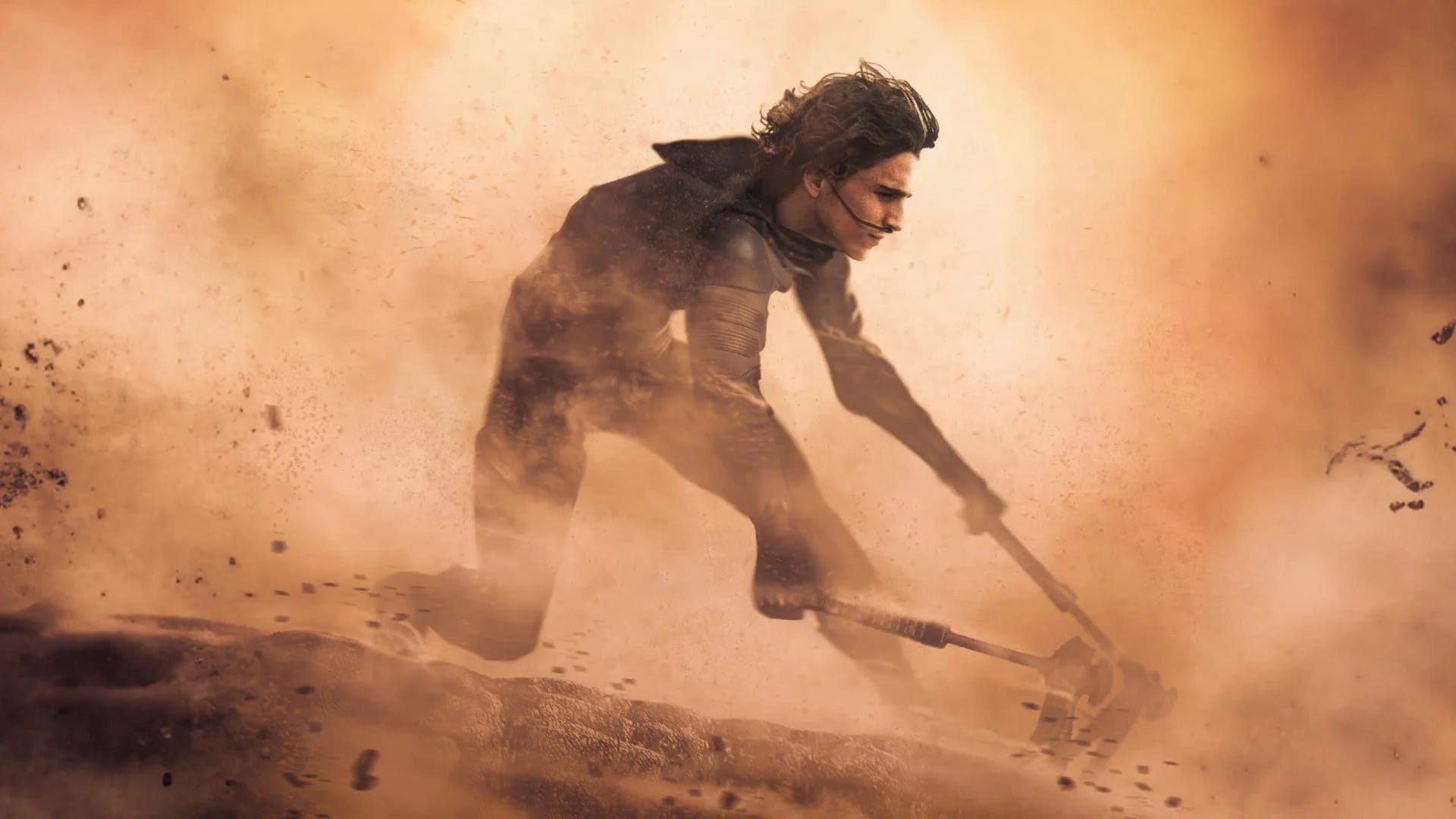
Top Gun: Maverick was proof that the tide can turn. That film made $1.5 billion because Tom Cruise and the marketing team at Paramount gave audiences a reason to care that went beyond IP recognition. It was a real movie, made by people who believed in what they were doing, and it was marketed like the event it actually was. We need more of that. We need the marketing machine pointed at Villeneuve and Nolan and Cruise with the same intensity it gets pointed at the next Avengers installment. Dune: Part Two is a greater artistic achievement than anything Marvel has produced since the first Iron Man. Mission: Impossible films are made by a man who does his own stunts. The audiences who show up for these films know it.
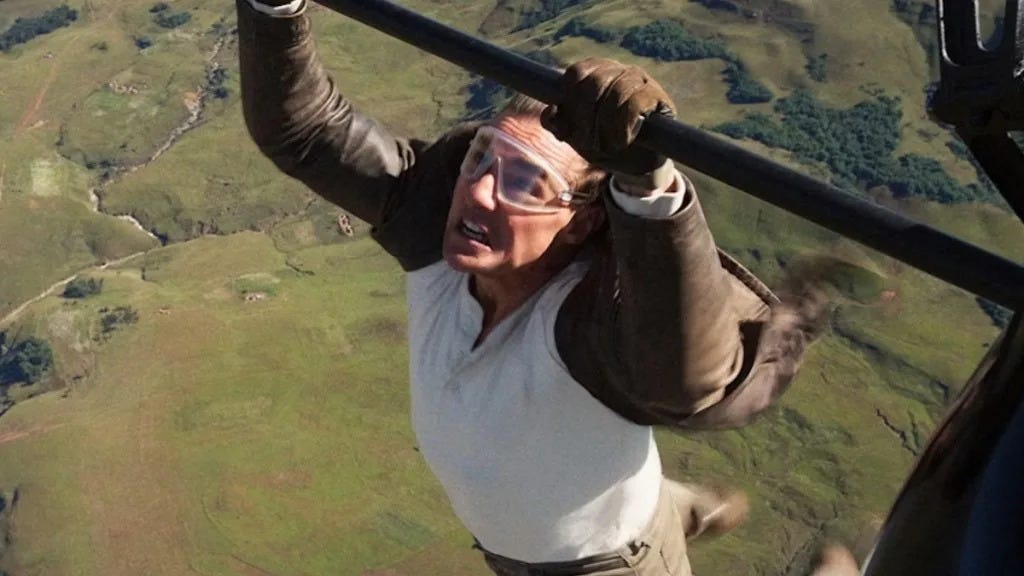
I want to see these filmmakers hit $2 billion. I want the Top Gun Maverick model to become the rule instead of the exception. The best filmmaker in a genre must get the same promotional firepower that Disney gives to its weakest sequel.
On The Fence With Brand New Day
Then there’s Spider-Man: Brand New Day, releasing July 2026.
On paper, it’s everything I’ve been asking for. Tom Holland has called it “a rebirth, something completely new,” the first movie in a new chapter rather than the fourth installment of a franchise. Director Destin Daniel Cretton has described a tonal shift from the previous trilogy. They shot on location in Glasgow. Jon Bernthal is in it as the Punisher, bringing his gritty vibes to the MCU. Bernthal said that what was important to him, to Cretton, and to Holland was that the Punisher who walks off the Spider-Man set could walk onto the Punisher special set and feel like the same character. Mark Ruffalo’s Hulk is reportedly going savage again. The villains are street-level: Scorpion, Tombstone. Kevin Feige has talked about this being Marvel’s return to grounded, street-level storytelling.
I want to believe it. I really do. But I’ve seen this trick before. Disney tells you the next one will be different. They use words like “gritty” and “grounded” and “new direction.” And then you sit down in the theater and it’s the same house style with a slightly darker color grade and one fewer joke per scene. Brand New Day is being marketed as the corrective. The question is whether the institution that made all the mistakes I’ve spent this entire piece cataloging is actually capable of correcting them, or whether this is another cycle of promising change to buy one more round of goodwill.
If it’s good, I’ll say so. I judge the work, every time. But I am on the fence about seeing it in theaters for now.
Will Robert Downey Carry Marvel Again?
Robert Downey Jr. is coming back. Can he save the day?
He’s playing Doctor Doom in Avengers: Doomsday, releasing December 2026, with the Russo Brothers directing. The production has already wrapped, and every report from set tells the same story: Downey is running things. Vanessa Kirby, who plays Sue Storm, said it plainly: “Robert’s never not been on set. He is our leader. We call him our Godfather.” Joseph Quinn called him “an amazing leader.” Simu Liu described being invited to “Downey Land,” a convoy of trailers with private chefs and Andy Warhol-style portraits where every character is Downey. The man has built a small city inside the production.
“He’s an amazing leader. He’s so generous. He’s hilarious, and he’s a remarkable actor. There’s no shock as to why he is where he is.” — Joseph Quinn
This is what Marvel does when its back is against the wall: it brings back the person who made the whole thing work in the first place. Disney spared no expense. Downey got paid an enormous sum to return, and given what 2025 looked like for the MCU, the investment makes sense. He’s a leader on set. He’s preparing for a carry job. Whether the material around him is strong enough to support a genuine comeback rather than another nostalgia play, that’s the question. The trajectory Marvel is on, limping toward the end of its Multiverse Saga after its worst commercial year in over a decade, doesn’t inspire confidence. But if anyone can brute-force a course correction through sheer charisma and work ethic, it’s the man who built the house in the first place.
They’re leaning back into nostalgia. Chris Evans is coming back. The X-Men are being folded in. There are rumors Tobey Maguire shows up just to get killed in the opening scene, the ultimate nostalgia sacrifice play: bring back the thing you loved so the audience feels something in the first five minutes, then use that emotional goodwill to coast through whatever comes next. It’s the same playbook. It’s always the same playbook. The multiverse concept exists specifically so Marvel never has to commit to anything new. Every actor who ever wore a costume is one portal away from a cameo. Every farewell is reversible. Every death is a suggestion. I hate that Downey got paid what he got paid to come back for this. The man is one of the most talented actors of his generation. He was reportedly in the conversation for a role in the Odyssey as Poseidon. Think about that after Oppenheimer. Maybe Doomsday introduces something genuinely new. Maybe the Russos and Downey pull it off. But the architecture of the thing, every piece of casting news, every leak, every trailer beat, all of it points to the same strategy: sell the audience its own memories, one more time, at scale.
The Paramount-Warner Bros Counterweight?
This past week, Paramount Skydance officially signed a merger agreement to acquire Warner Bros. Discovery for $110 billion. The deal, unanimously approved by both boards, is expected to close in Q3 2026. Netflix dropped out of the bidding war after Paramount raised its offer to $31 per share, and Paramount is committing to 30 theatrical releases per year across both studios with 45-day theatrical windows.
Think about what’s now under one roof. From Paramount: Mission: Impossible, Top Gun, Star Trek, Transformers, the Godfather library, Nickelodeon’s entire catalog, Yellowstone. From Warner Bros.: Batman, Superman, the entire DC universe under James Gunn, Harry Potter, Lord of the Rings, The Matrix, Game of Thrones, HBO, Dune, Nolan’s Dark Knight trilogy. That’s a combined IP portfolio that dwarfs Disney’s. Paramount-Skydance has a record of backing big-budget filmmaker-driven projects.
This is the counterweight the industry has needed. Disney has operated without a true peer for over a decade. Their ability to set the terms of what a blockbuster looks like, how it’s marketed, how it’s reviewed, and how audiences are conditioned to receive it has been largely unchallenged. A Paramount-Warner Bros. entity with this much IP, this much production infrastructure, and their commitment to theatrical filmmaking could change that. Warner Bros. had its best box office year in recent memory in 2025, led by Superman, Sinners, and A Minecraft Movie. Paramount had Top Gun: Maverick. Together, they have the catalog and the muscle to compete with Disney.
I’m not naive about mergers. Consolidation has its own problems. Jobs will be lost. Creative decisions will still be filtered through corporate priorities. But the structural reality is that Disney’s dominance has been bad for movies, and any entity with enough scale to force real competition is worth paying attention to. If the Paramount-Warner Bros. merger means Villeneuve’s Dune gets the same promotional war chest that Disney gives to its next derivative sequel, that’s a win.
The Bottom Line
There are two types of people right now. There’s the person who consumes whatever Disney and Marvel serve and calls it a good time. And there’s the person who’s opted out, or wants to, and is looking for someone to remind them they’re not crazy. The movies got worse. The system that makes them prioritizes inoffensive content over art. And the so called critical media establishment that should be holding the line has been compromised by access, by ideology, by the same nostalgia it should be scrutinizing.
I’m not rooting for these franchises to fail. I grew up on them. I want them to be great. What I’m rooting against is the machine that took the things I loved and turned them into a bland product, that trained an entire generation to accept less, that buried the filmmakers who tried to do more and rewarded the ones who played it safe.
The antidote exists. It’s in every film that trusts its audience enough to be ambitious, specific, and real. It’s in every director who chooses the hard way because they believe you’ll feel the difference. Go watch Dune. Go watch Oppenheimer. Go watch Mission: Impossible. Put your phone in another room and sit in the dark with something that was made to be more than content. You deserve better than what the biggest entertainment company on Earth has been selling you.
The industry changes when you stop buying what it’s selling.
A nice walkthrough the lore for someone who’s largely just watched on a whim + lacked the broader context.